
Web scraping in 2026 is significantly harder than it was 18 months ago. Advanced anti-bot systems now combine IP fingerprinting, browser behavior analysis, TLS signature detection, and rate pattern recognition simultaneously. A rotating datacenter IP that would have successfully scraped Amazon product data in 2024 now gets flagged in seconds. The platforms investing most heavily in detection — Amazon, Google, Instagram, LinkedIn, and major financial data portals — have made residential and mobile proxies effectively mandatory for any serious data collection operation targeting them.
How Proxy Infrastructure Is Adapting Right Now

The proxy providers responding most effectively to this shift are the ones building AI-driven IP rotation — systems that dynamically adjust request patterns, timing, and header configurations based on real-time detection signals rather than fixed rotation schedules. The industry is also moving toward quality over volume. A pool of 10,000 thoroughly vetted, clean residential IPs is now outperforming a pool of 500,000 mixed-quality IPs on detection-sensitive targets. Unlimited bandwidth and high IP count are no longer the headline metrics that matter — success rate on specific target platforms is.
How E-commerce Brands Are Using Proxies for Price Intelligence in 2026
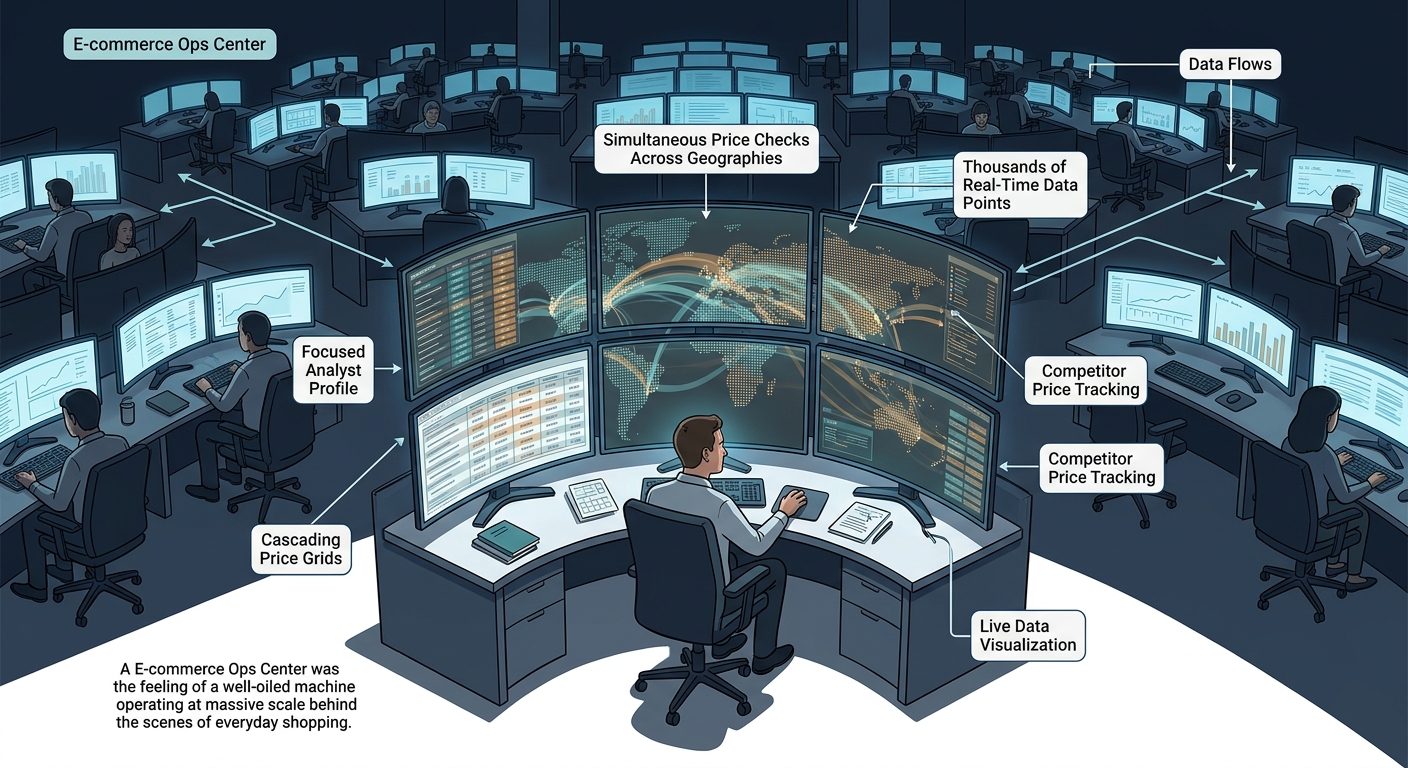
A mid-size e-commerce brand monitoring competitor pricing across Amazon, Walmart, and their top three direct competitors is typically running 50,000 to 200,000 requests per day across those platforms. Without proxies that operation generates IP bans within minutes. With a properly configured residential proxy rotation — distributing requests across multiple GEOs, respecting rate limits at the domain level, and using sticky sessions where product page sequences require consistent identity — the same operation runs cleanly at scale. Real-world results from agencies running these setups include 40-43% increases in organic traffic after identifying content gaps through SERP data collected at scale.
Why Geo-Targeted Price Data Is the Competitive Advantage
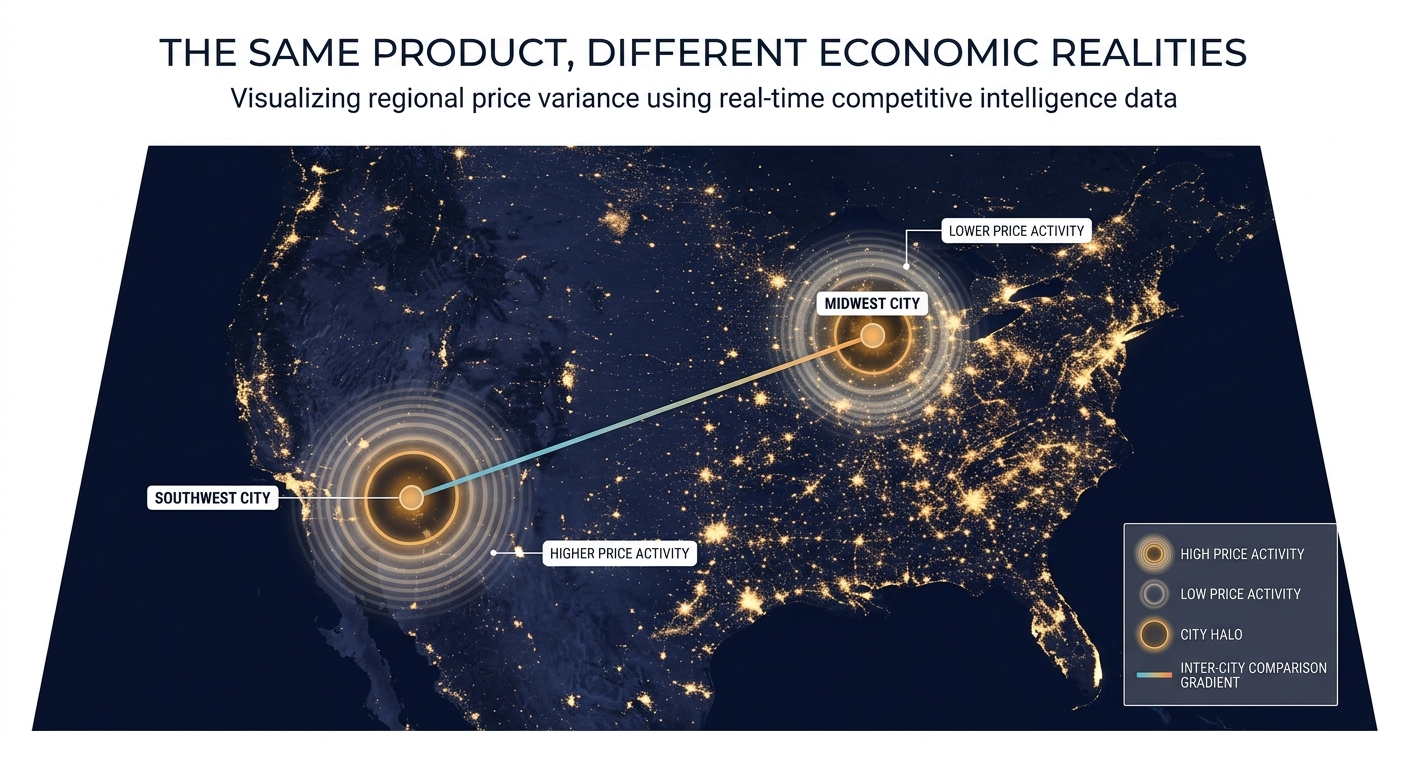
The use case that most brands are underpaying for is geo-targeted price monitoring. Amazon and major retailers serve different prices to users in different cities — sometimes meaningfully different. A brand monitoring only national average pricing is working with incomplete data. Residential proxies with city-level targeting allow price monitoring operations to see exactly what a user in Chicago sees versus what a user in Phoenix sees for the same product. That geographic price intelligence is increasingly driving promotional strategy, particularly around regional sales events and holiday pricing windows where geo-specific promotions are most common.
Quick Links: