
Geoffrey Hinton, the legendary “Godfather of AI” who just won the Nobel Prize for his neural network breakthroughs, delivered a wake-up call this week. In a blunt interview with Business Insider, he declared that ordinary mid-level programming jobs will vanish soon because AI now writes cleaner, faster code than most humans. Yet, in the same breath, he insisted that computer science degrees remain more valuable than ever. This double message perfectly captures the chaotic impact of AI on jobs in 2025.
Hinton destroyed the myth that a CS degree is only about typing code. “Many people think a CS degree is just programming,” he said. “Obviously, just being a competent mid-level programmer is not going to be a career for much longer, because AI can do that.” Instead, he praised the timeless skills a proper CS education builds: systems thinking, mathematics, logic, and structured problem-solving.
Impact of AI on Jobs: Which Jobs Will AI Kill and Which Will Survive?
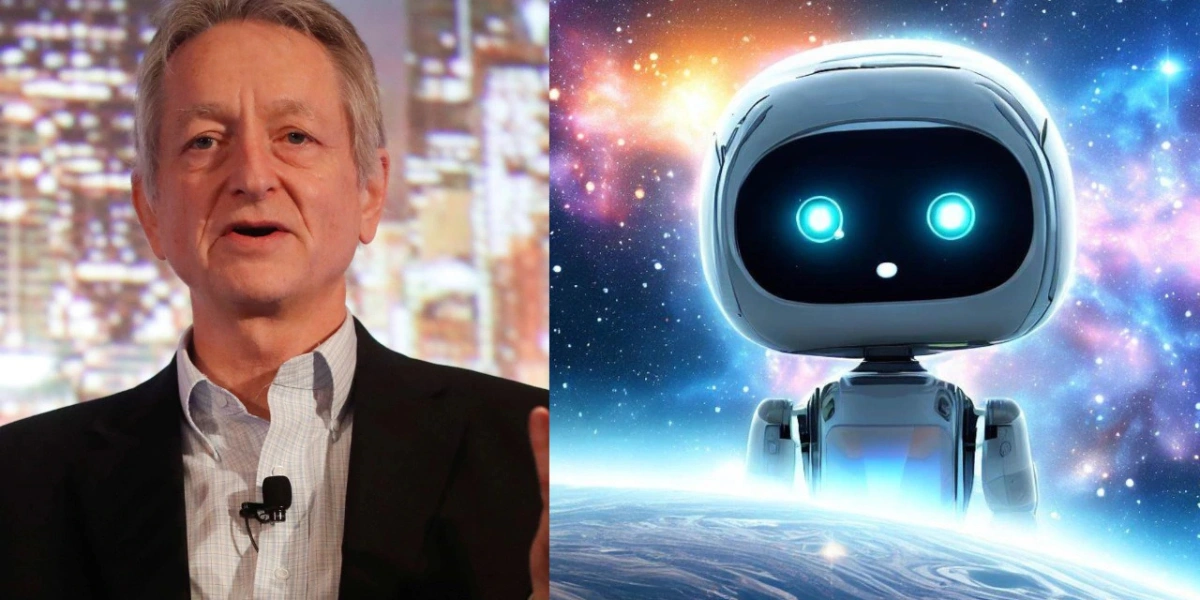
Hinton and OpenAI chairman Bret Taylor agree on the coming shake-up:
- Mid-level coding roles (bug fixes, boilerplate scripts, CRUD apps) → AI replaces them in the next 2–5 years
- “Vibe coding” (describing features in plain English and letting AI build) → already the new normal workflow at many startups
- Entry-level coding bootcamp jobs → highest risk, lowest unique value
- High-value roles that survive: system architects, AI researchers, security experts, and anyone who designs complex systems
- Essential forever skills: math, statistics, probability, linear algebra, and critical thinking
Hinton compared learning to code today with studying Latin centuries ago: “You’re never going to speak Latin, but it trains your brain.” He urged students to master coding as mental gymnastics, not as a lifelong meal ticket.
Also Read: Webinar Statistics: Your Ultimate Guide to Smarter Online Events
The warning is crystal clear. Routine programming joins factory lines and data entry on the list of jobs AI eats first. But the impact of AI on jobs isn’t all doom; those who understand the machine deeply will steer it, earn big, and shape the future.
Young coders, take note: double down on math, learn how AI actually works, and think bigger than writing the next “Hello World.” The robots are coming for your keyboard aren’t coming for your brain, yet.
More News To Read: Agentic AI’s Bug Detection Stops Bugs Before They Ship