
A detailed investigation published by iTnews reveals a structural link between AI companies’ need for web data and the rapid growth of the residential proxy market.
AI labs and data brokers need enormous volumes of web data for training and evaluation. Standard datacenter IPs are now routinely blocked by major platforms.
The path around those blocks runs through residential proxy networks — real home IP addresses that appear to websites as ordinary users.
Unlike a VPN, which encrypts a user’s own traffic, a residential proxy turns a consumer’s device into an exit node for someone else’s traffic entirely.
The residential proxy industry has built its networks by paying app developers to embed proxy SDKs into unrelated applications, or by distributing free apps that promise users they can “monetise their unused bandwidth.” In most cases, users have little idea their device is being used to route someone else’s data scraping requests.
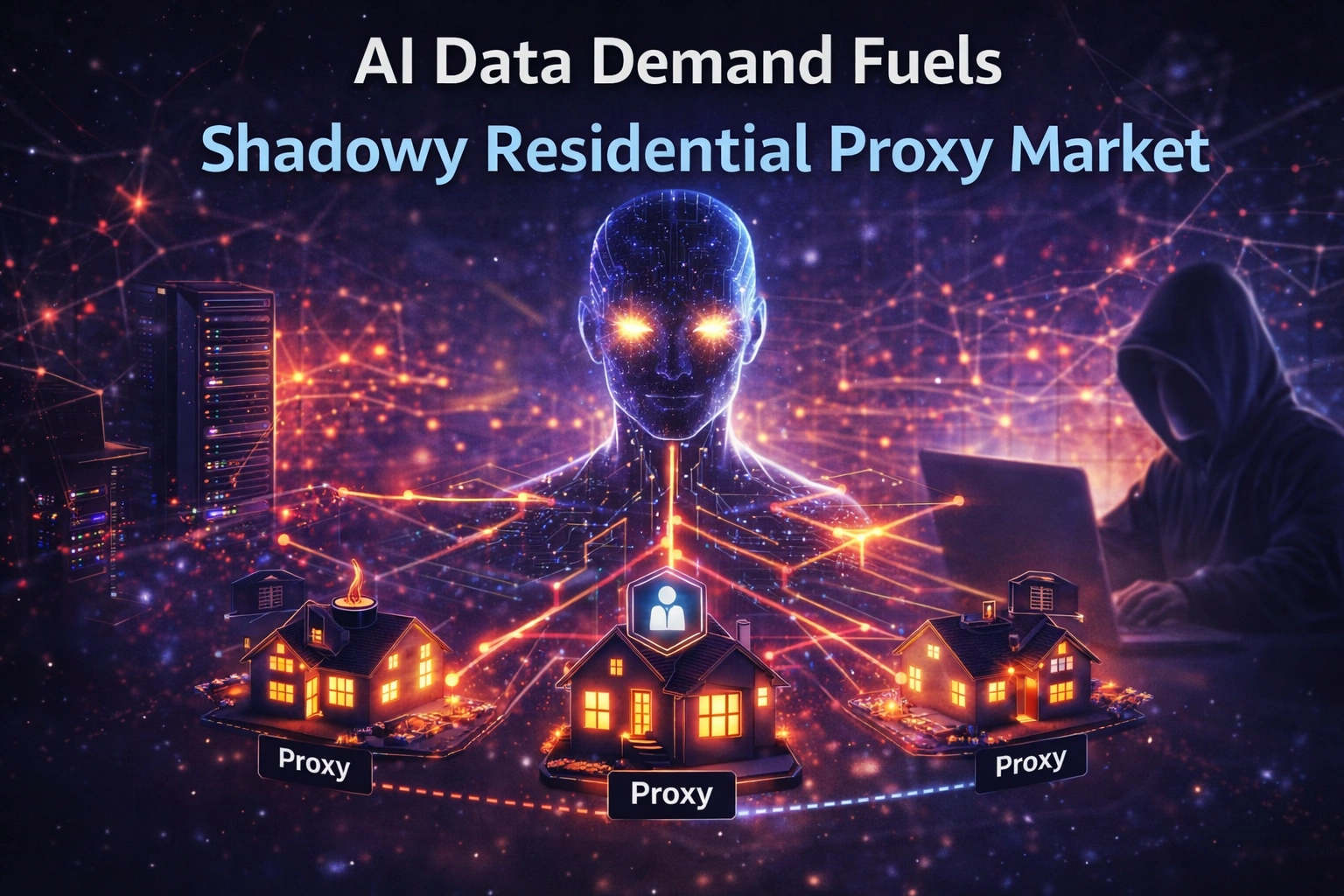
Shadowy Residential Proxy Market: What This Means
For content publishers, this ecosystem is directly relevant to how your content is being consumed without attribution.
AI training scrapers routed through residential proxies appear as ordinary website visitors in your analytics — there is no user agent flag that identifies them as automated. Your content is being scraped, processed, and used for AI training at a scale your server logs cannot measure.
For legitimate proxy users — SEO agencies doing rank tracking, affiliate marketers doing ad verification, and price intelligence teams — the reputational contamination from the criminal and AI-scraping use of residential proxies is a real problem.
IP ranges that were clean six months ago may now be flagged by major platforms.
Providers like Bright Data, Decodo, and Oxylabs that maintain documented ISP-partner sourcing models and compliance frameworks are drawing a sharper distinction from gray-market operators, onr/scraping, and other practitioner communities.
More News To Read: