
AI regulation has become one of the most unpredictable variables for startup founders in [Year]. In the space of 12 months, the policy environment has swung from calls for strict safety guardrails to active deregulation and back toward renewed scrutiny in several markets simultaneously. Understanding where things stand right now — and where they are likely heading — is now a core part of building any AI-adjacent business responsibly.
The US Policy Environment Is Volatile
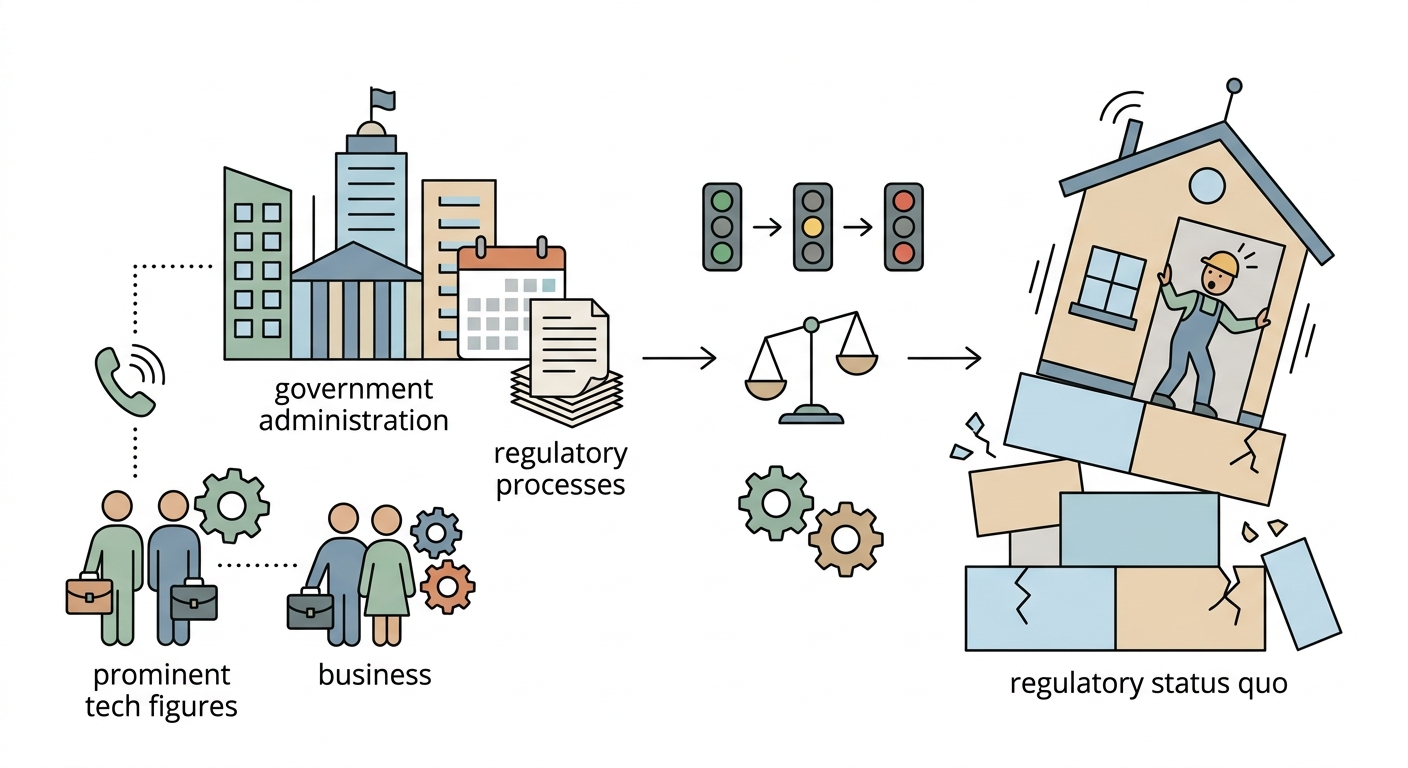
Recent reports confirmed that a planned AI Executive Order in the US was delayed after conversations between the administration and prominent tech figures who pushed back against regulatory requirements. That kind of policy environment — where major decisions shift based on informal calls rather than structured regulatory processes — creates a specific kind of business risk.
The rules can change fast and they can change in either direction. Building a business that depends on a specific regulatory status quo being maintained is fragile in a way that most founders underestimate until it affects them directly.
How to Build Regulation-Resilient From Day One
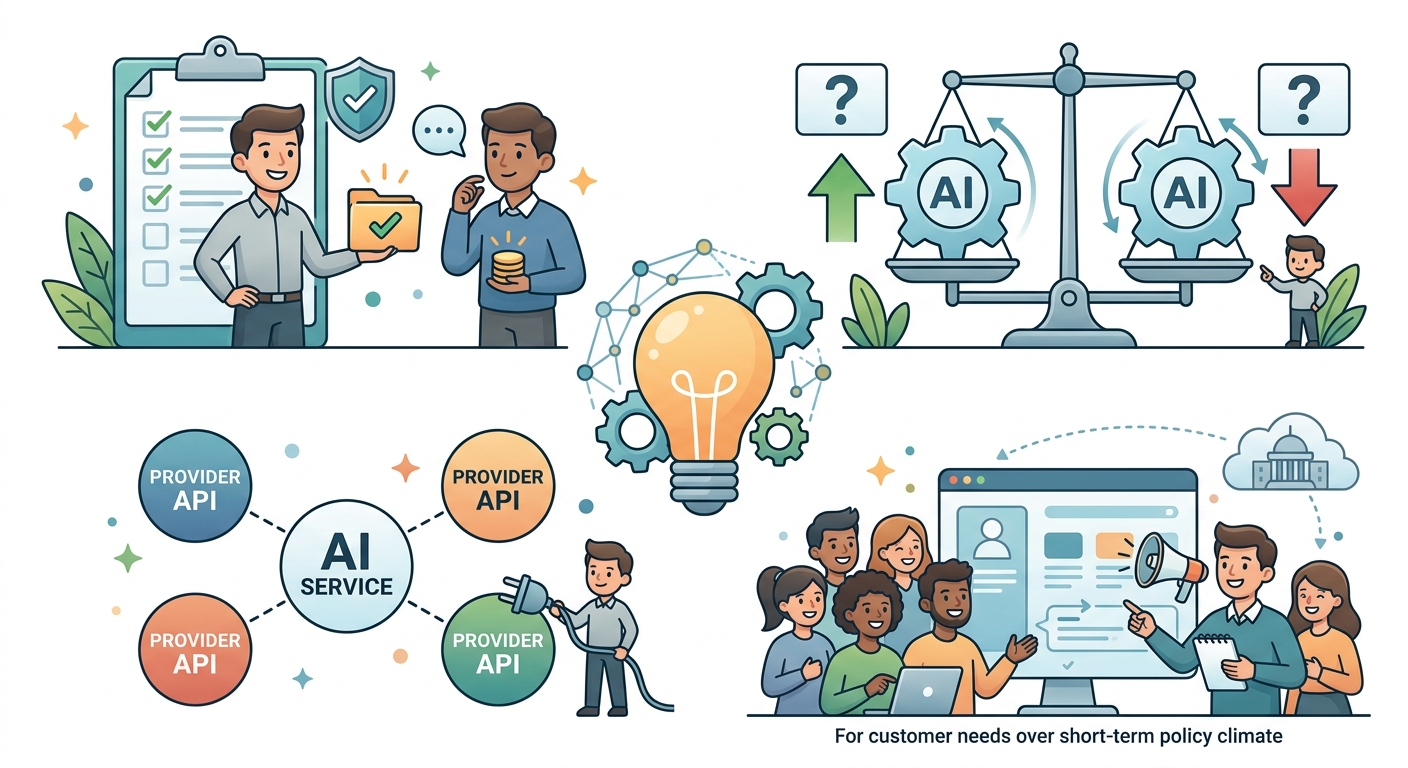
The founders handling regulatory uncertainty best are building businesses that would remain viable under either a more regulated or a less regulated AI environment. They document their safety practices even when not legally required to, because enterprise customers and serious investors ask about this in due diligence. They build on multiple AI providers rather than depending entirely on one API, because access terms and pricing from any single provider can change without warning.
They stay close to what their customers genuinely need rather than what the current policy climate happens to allow. Regulation will eventually catch up to AI in every major market. The founders who treat responsible practices as a product feature rather than a compliance burden will be best positioned when that happens.
Quick Links: