
Why Datacenter IPs Are Getting Blocked Faster Than Ever
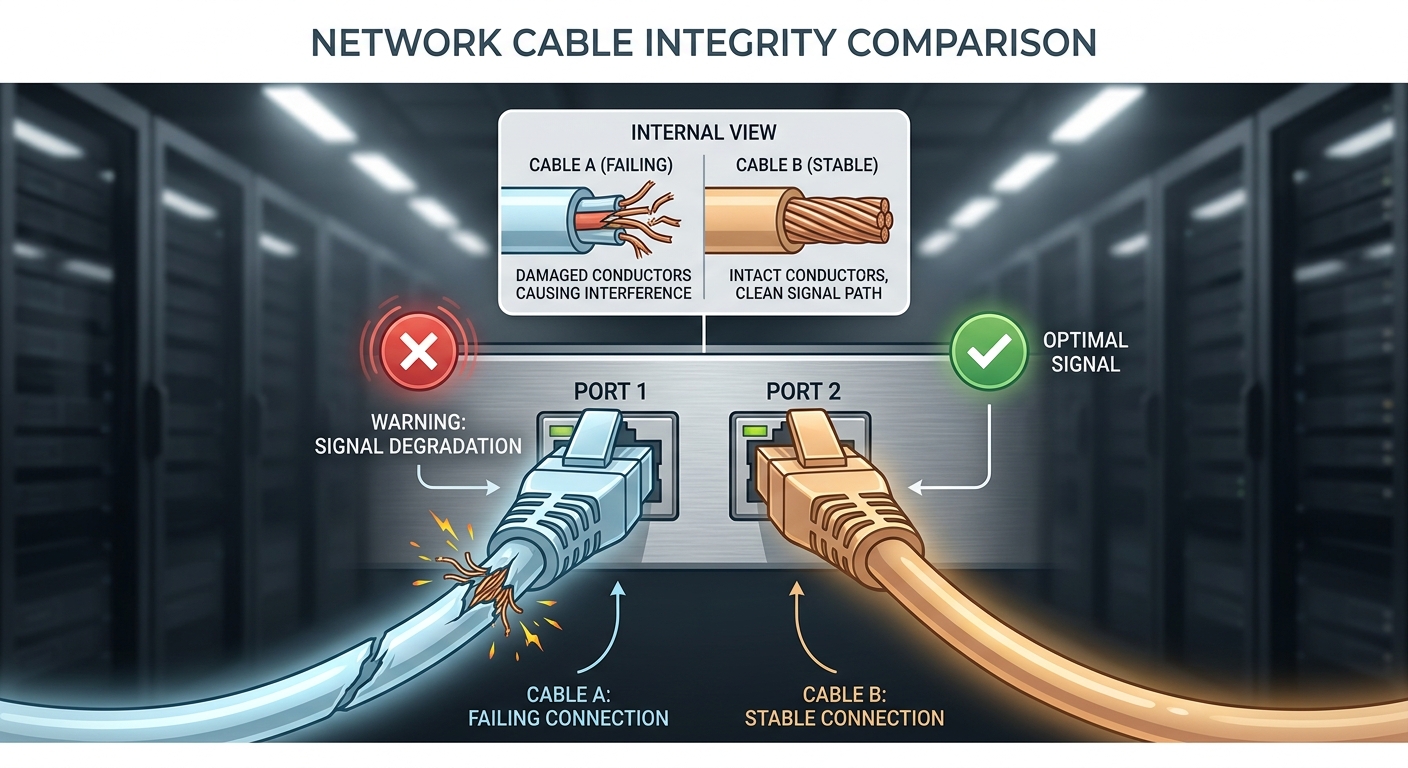
The gap between datacenter and residential proxy success rates has widened significantly in 2026. Anti-bot systems have gotten much better at identifying datacenter ASN ranges — and sites running Cloudflare, DataDome, or custom bot protection are blocking datacenter IPs at rates that make them impractical for anything beyond basic, unprotected targets. Residential proxies, by contrast, route traffic through real ISP-assigned addresses from actual household connections.
For teams doing price monitoring, market research, or any scraping on targets with modern bot protection, residential proxies are not a premium option anymore — they are the baseline.
What to Look for in a Residential Proxy Provider in 2026
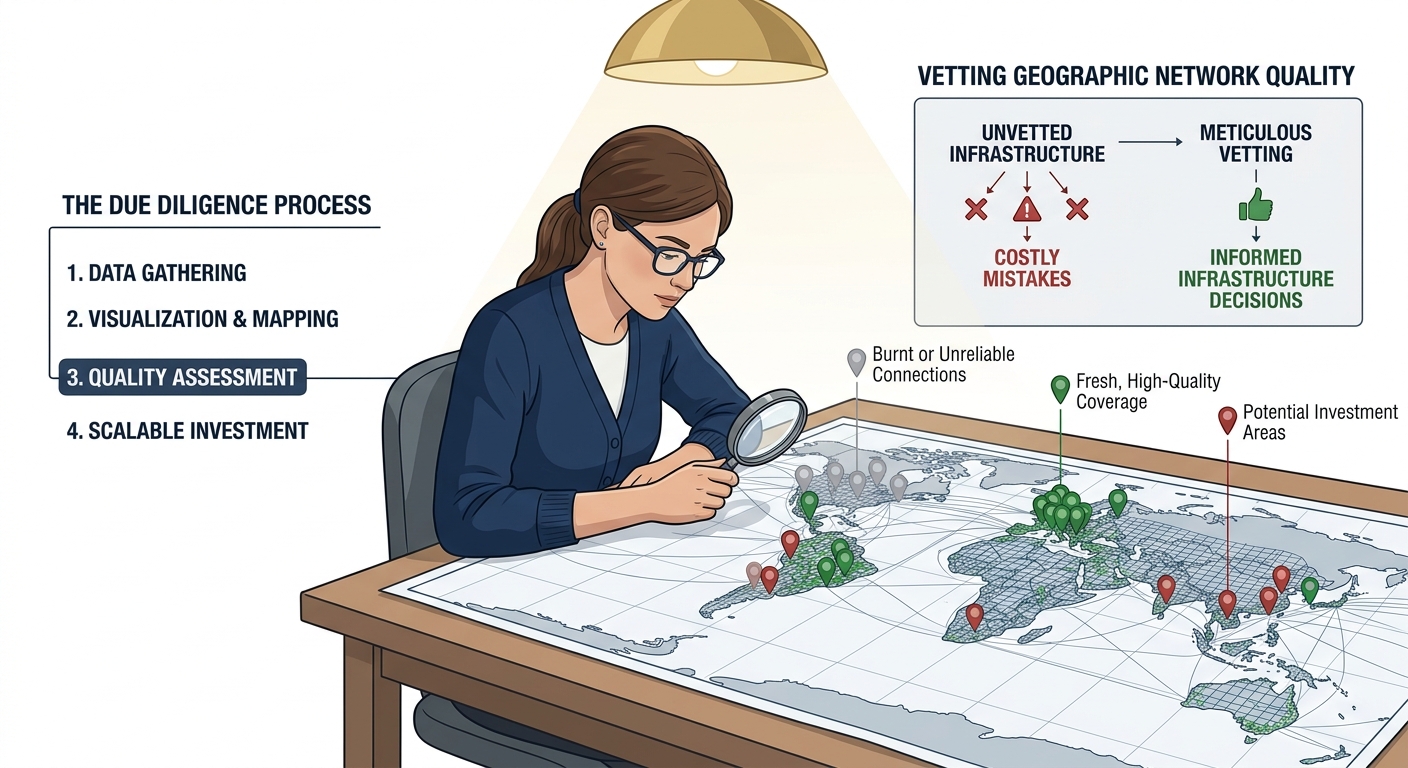
Pool size matters but is not the only variable. What actually determines success rates for residential proxies is IP freshness, geographic accuracy, and the fraud score of individual IPs in the pool. Some providers have large pools with a high percentage of burnt or flagged IPs — which means lower success rates despite the headline pool size numbers.
The providers performing best in 2026 are the ones with genuine ISP diversity, city-level targeting for geo-sensitive tasks, and clean IP rotation that avoids serving the same flagged addresses repeatedly. For teams building scraping infrastructure, testing a small batch before committing to a volume purchase is the only way to verify actual performance.
E-Commerce Price Intelligence Is the Biggest Driver of Proxy Demand in 2026
Why Retail Teams Are Spending More on Proxy Infrastructure
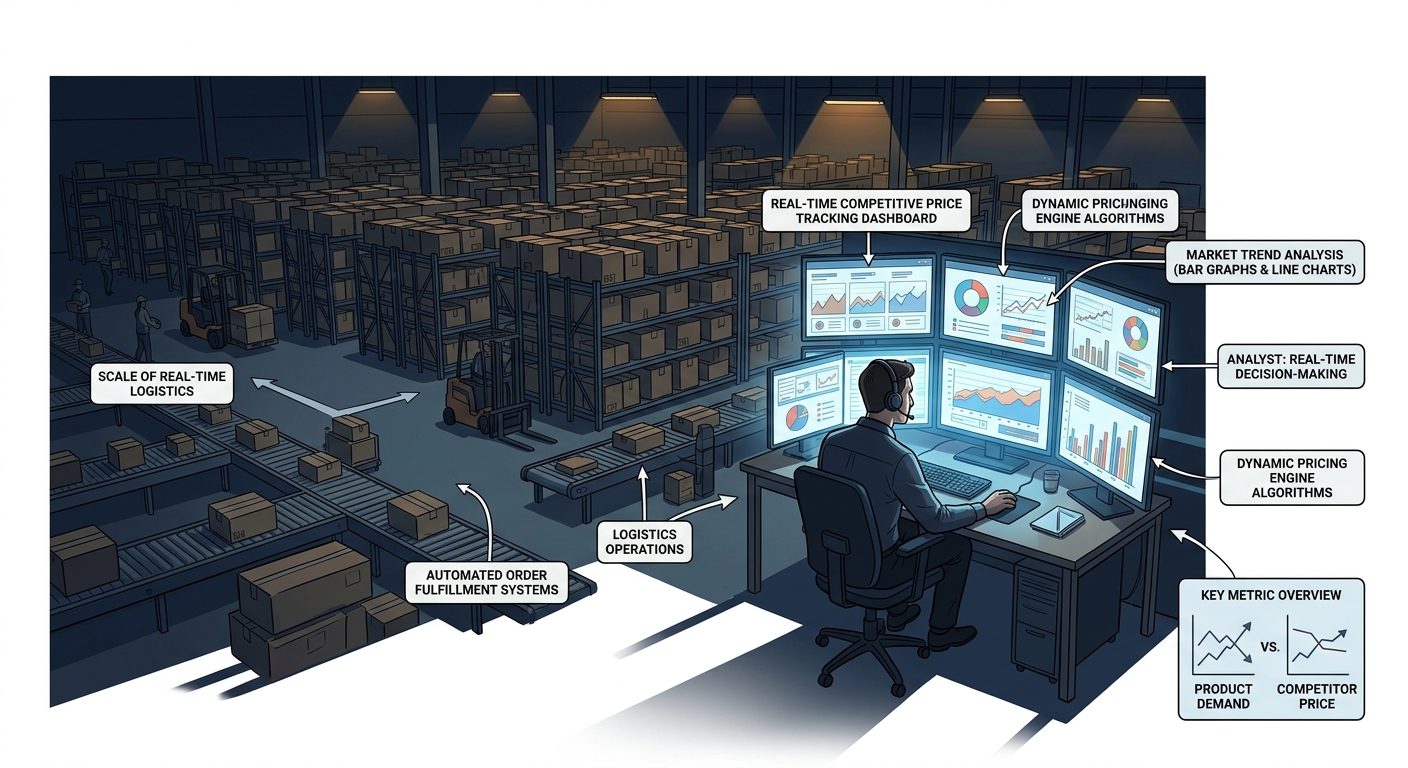
E-commerce brands are running price intelligence operations at a scale that was not common two years ago. Real-time competitor price monitoring, dynamic repricing, promotional tracking, and inventory monitoring across dozens of competing retailers all require continuous, high-volume web data collection. A brand selling on Amazon that is not tracking competitor pricing in real time is making repricing decisions with stale data — which directly impacts buy box share and margin.
The proxy infrastructure required to run this reliably across major retail sites — Amazon, Walmart, Target, and category-specific retailers — is significant, and demand for dedicated scraping proxy setups has grown accordingly.
The Right Proxy Setup for E-Commerce Price Intelligence
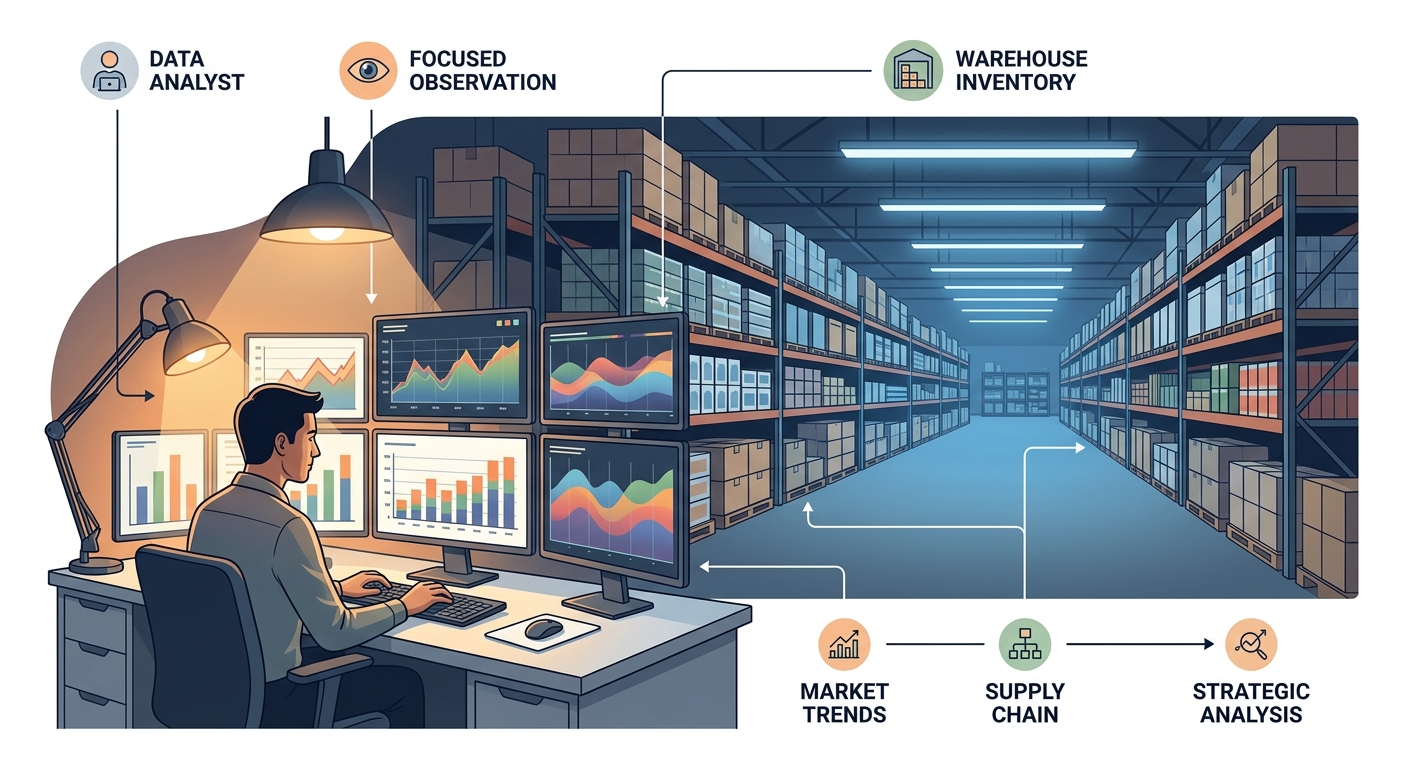
Datacenter proxies work for some retail targets but get blocked by Amazon and major platforms that have invested heavily in bot detection. Residential proxies at the ISP level — static IPs registered to genuine ISPs — perform best for sustained monitoring sessions on these targets because they maintain a consistent identity without triggering the frequent-IP-change detection patterns that rotating residential proxies can trigger.
For teams building a price intelligence pipeline for the first time, starting with a hybrid setup — datacenter for permissive targets, ISP proxies for major retail platforms — is the most cost-effective approach while you map which targets require which proxy type.
Quick Links: