
The best antidetect browser is the one that fits the work you need to do. That sounds obvious until you start comparing plans. One provider counts saved profiles. Another limits simultaneous browsers. A third includes proxy traffic or mobile minutes. The cheapest headline price can tell you very little.
Octo Browser is our first pick in this comparison for buyers who want profile management with room for team use and automation. There are nine alternatives below, each worth considering for a different set of requirements.
| Best For | Affiliate marketers and large-scale account farms | Individual operators and small business teams | Budget-conscious startups and ecommerce sellers |
| Pricing | €10 to €329 per month | Free plan to $100+ per month | Free tier to $80 per month |
| Features | Advanced fingerprint spoofing and updates | Cloud mobile and browser profiles | Affordable pricing with 40% annual discount |



This Twinstrata guide explains those differences in plain terms. It also separates the browser decision from the proxy decision, so you can plan the complete setup before buying either.
Information checked on 8 October 2026. Recommendations reflect published features and practical buying criteria, rather than laboratory performance tests.
What should you look for in the best antidetect browser?
Look for the right combination of profile capacity, access controls, automation support and total cost. Begin with your workload rather than the longest feature list.
For example, a researcher working alone may care most about keeping separate environments organised. A development team may need several automated sessions running together. An agency may place greater weight on how colleagues share access.
Those buyers should not necessarily choose the same subscription.
Browser | Main reason to investigate | Question to ask before buying |
Octo Browser | Profile management with team and automation options | Which plan contains my required features? |
Multilogin | Browser profiles alongside cloud phones | Which usage allowances will I consume? |
AdsPower | Synchronisation and workflow tools | Can it support my repeated tasks? |
GoLogin | Shared and organised profiles | Which features depend on profile tier? |
Dolphin Anty | Profile organisation and collaboration | Does its structure suit my projects? |
Incogniton | An introductory free allowance | What changes after the opening period? |
Kameleo | Programmable browser workflows | How many browsers must run together? |
MoreLogin | Browser and mobile environments | Do I need browsers, cloud phones or both? |
Undetectable | Paid local profile capacity | Where will profiles be stored and shared? |
VMLogin | Shared environments and API functionality | Are pricing and support suitable for my region? |
How do browser profiles and proxies differ?
A browser profile manages a browsing environment, including its stored session data and configuration. A proxy handles network connections through another server. Antidetect browsers may provide tools for assigning proxies to profiles, but the two components have different jobs.
That distinction matters when planning costs. Buying browser software does not automatically mean every network service you need is included.
It also matters when troubleshooting. A connection problem and a profile-management problem may require different fixes. Keeping the two parts clear makes your setup easier to understand.
1. Octo Browser: First on our shortlist
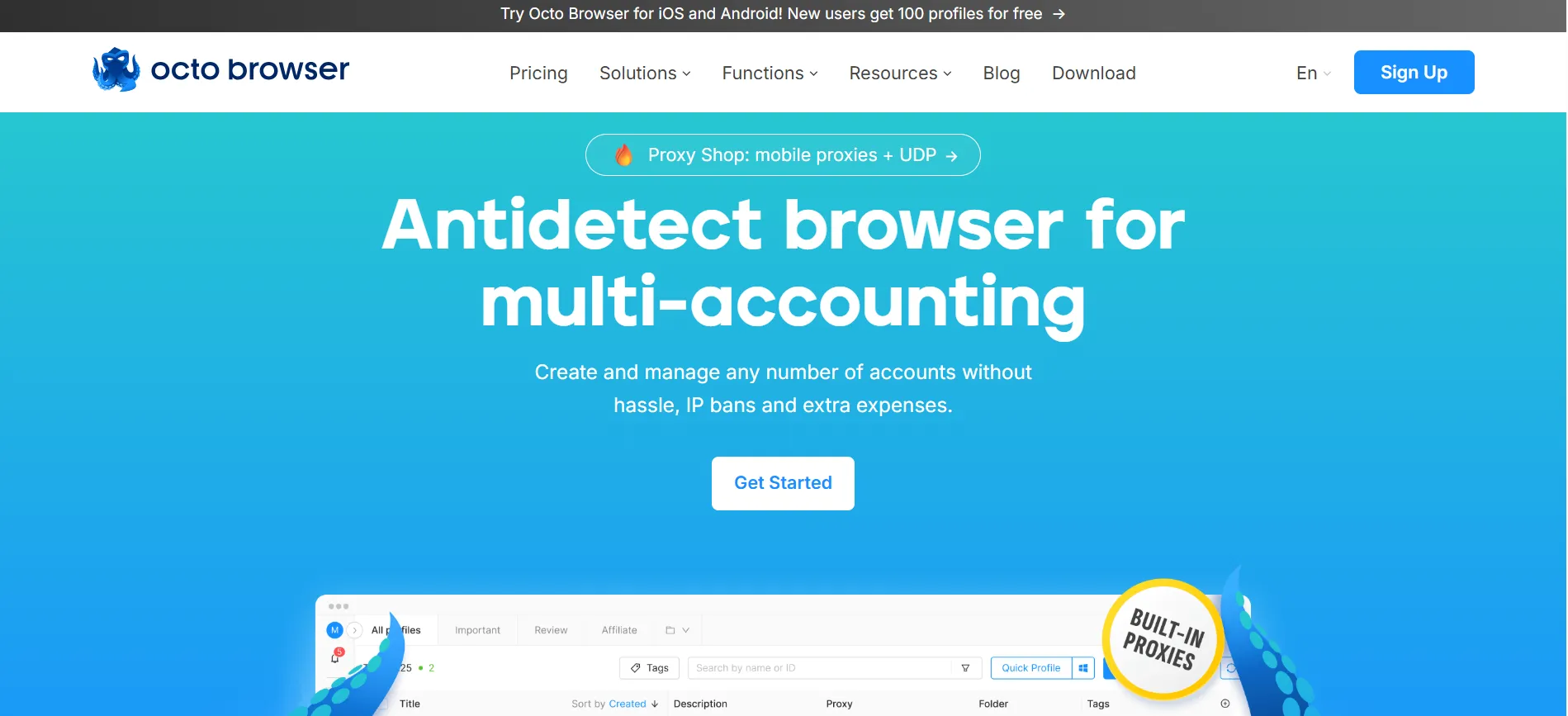
Octo Browser ranks first here because its product range provides a path from a small profile collection to team use and API-based work.
Its pricing page lists Starter from €29 per month with ten base profiles, and Base from €79 per month with 100 profiles. API access is available from Base, so buyers who need automation should account for that requirement early. Published prices exclude VAT.
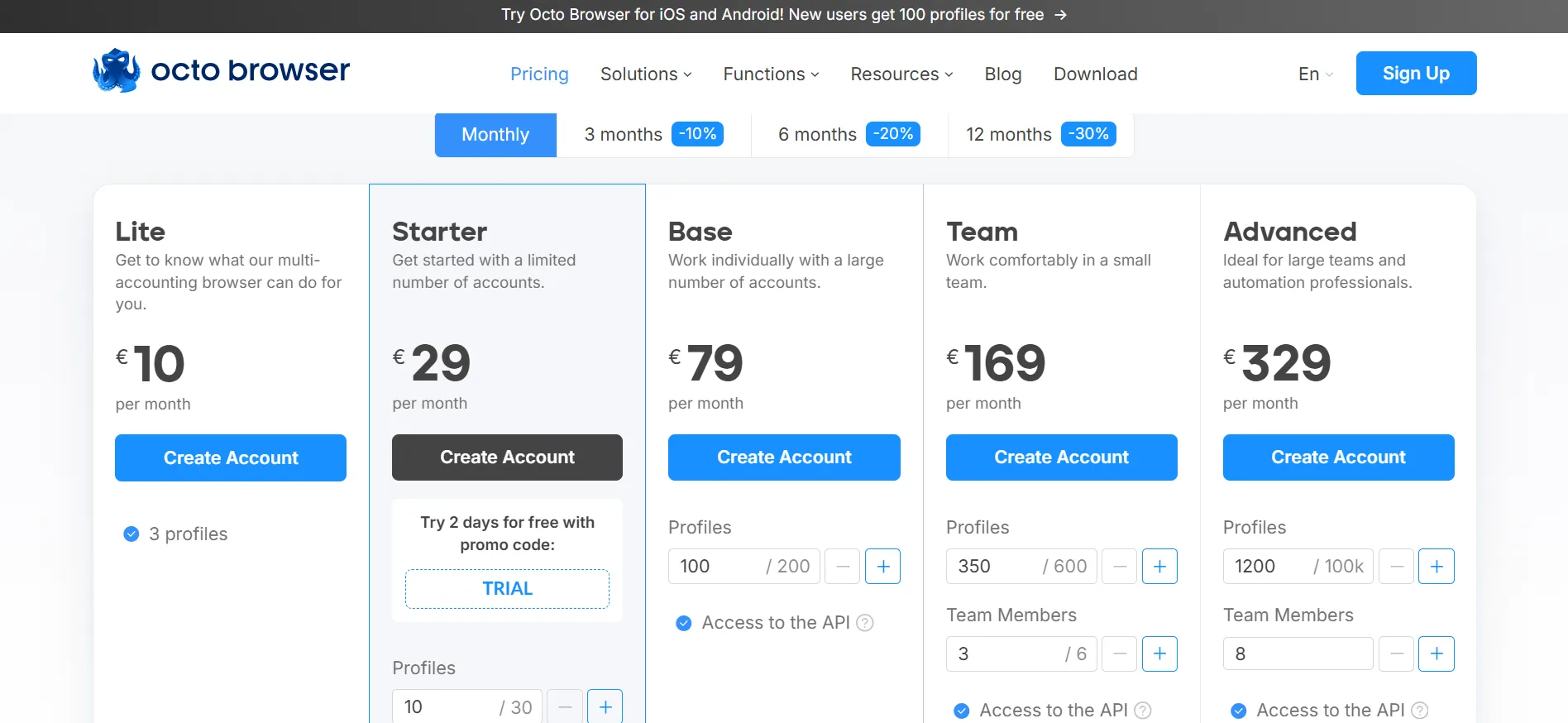
The useful decision is not simply whether ten or 100 profiles sounds better. It is whether your chosen package contains everything your workflow needs.
For a small operation, unused capacity can be wasted spending. For an automated project, choosing a plan without the necessary access can hold up the work.
How should you evaluate Octo Browser?
Begin with one representative project. Set up the browser environments you need and follow your normal sequence of tasks.
If a colleague will use the service, include them in the evaluation. Octo Browser publishes team-sharing and access-management functionality, which should be assessed against your own handover process.
Keep a short record of what worked, what required help and what needs a higher subscription. That gives you a sensible basis for a purchase.
Which Twinstrata codes can you use?
The supplied Twinstrata offers are:
TWINSTRATA: Four days of the Starter subscription free.
TWINSTRATA30: 30% off your first purchase.
Check eligibility and the offer displayed when redeeming the code. Do not assume both offers apply to the same transaction.
2. Multilogin: A candidate for combined environments
Multilogin’s product offering includes browser profiles and Android cloud phones. Its free package currently lists five profiles, while the ten-profile Pro option is shown at $11 when billed monthly.
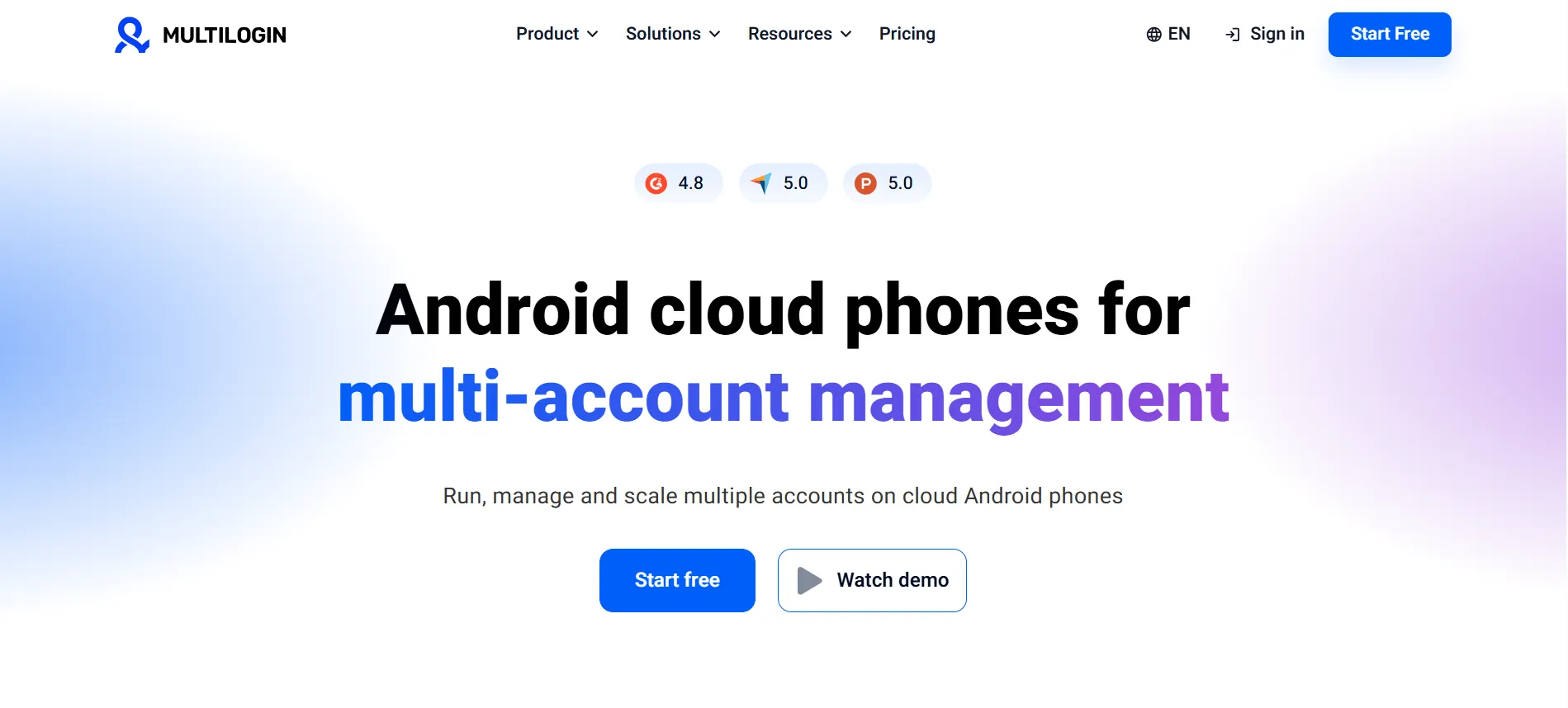
This makes it a relevant comparison when your requirements extend beyond browser sessions.
Before choosing, separate your expected browser activity from mobile activity. Estimate each independently, rather than treating every environment as an interchangeable profile.
Also review what happens when included resources run out. A service can fit comfortably within your budget at low usage and become a different proposition once your workload grows.
The decision should come from expected use, not the appeal of having several product types in one account.
3. AdsPower: A candidate for repeatable workflows
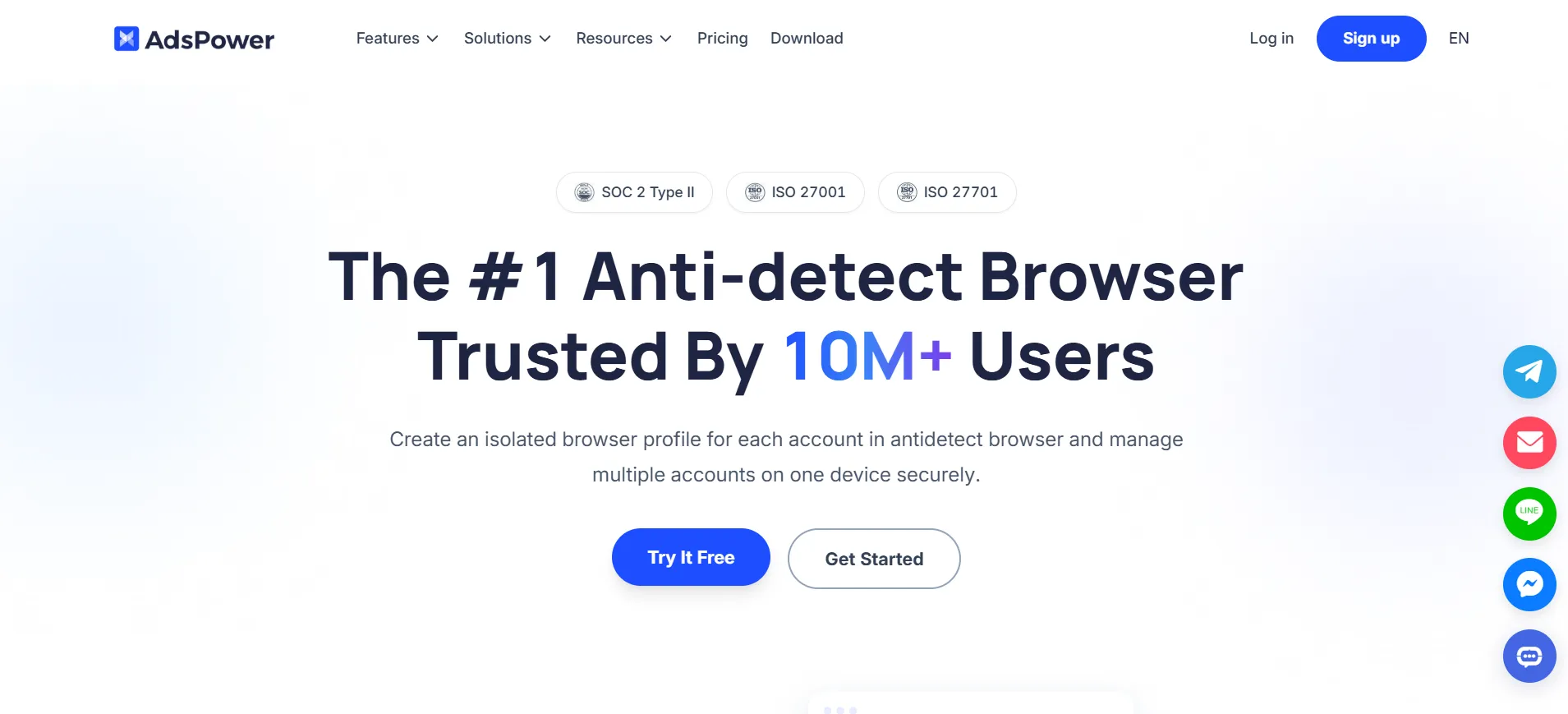
AdsPower publishes support for Chromium- and Firefox-based environments, alongside a Synchronizer, RPA tools and a local API.
Its appeal depends on whether those workflow tools match the tasks you perform.
Prepare a clear example before evaluating it. Describe the starting point, the intended result and the situations that could interrupt the process. That gives you something concrete to test.
Pay attention to control. A repeated action should be easy to review and stop when necessary. Saving a few clicks is less valuable if the process becomes difficult to supervise.
For a team, also decide who will maintain the workflow when requirements change.
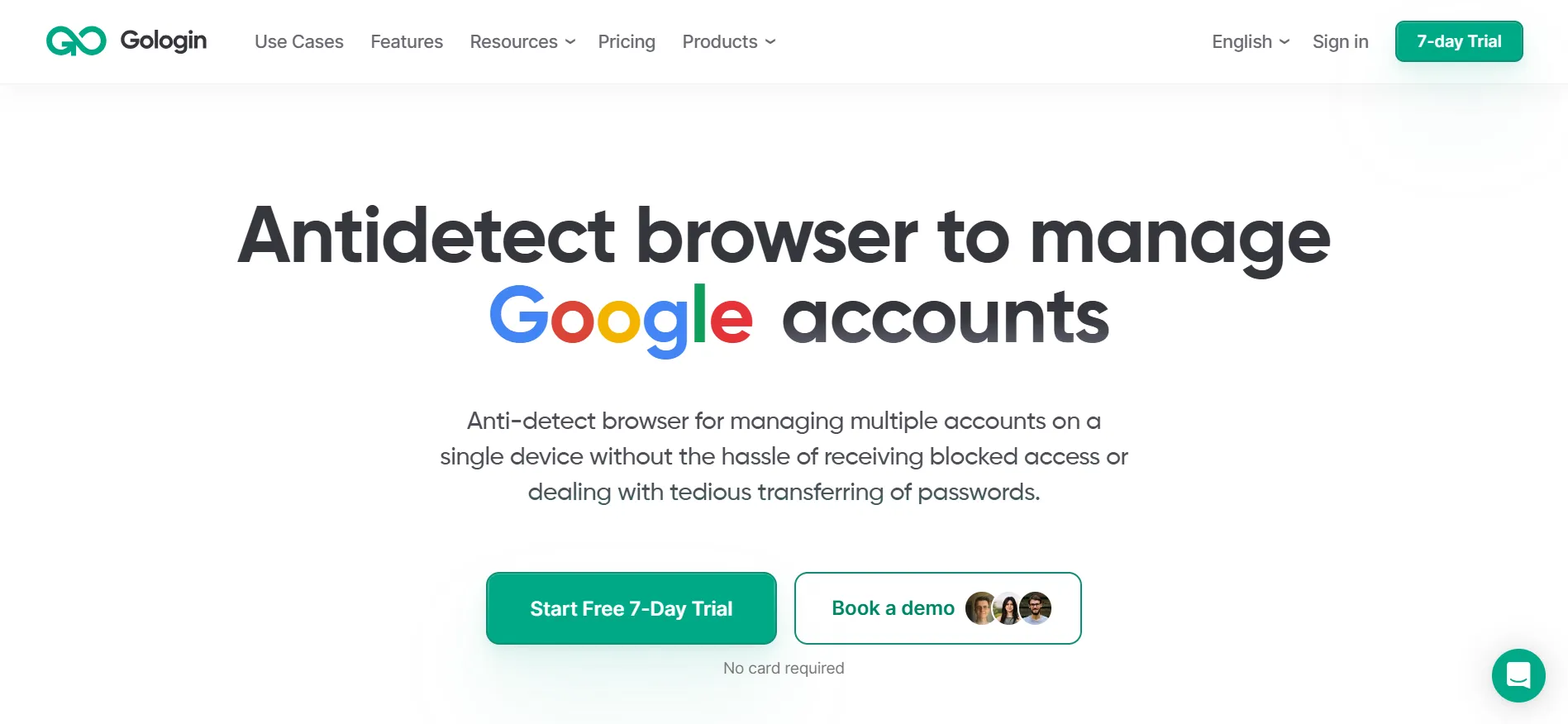
4. GoLogin: A candidate for collaborative browsing
GoLogin lists sharing and organisational capabilities across a tiered product range. Some advanced tools are tied to particular profile allocations.
The buying task is to match your required features to the correct tier.
Imagine your ordinary week rather than an ideal demonstration. Someone joins a project, another person is away, and a profile needs to be located quickly. Use those situations to evaluate the software.
Write down who should have access and who should be allowed to make changes. Then check how closely the available controls match that arrangement.
A plan that fits your profile count may still be the wrong choice if it does not support the way your team works.
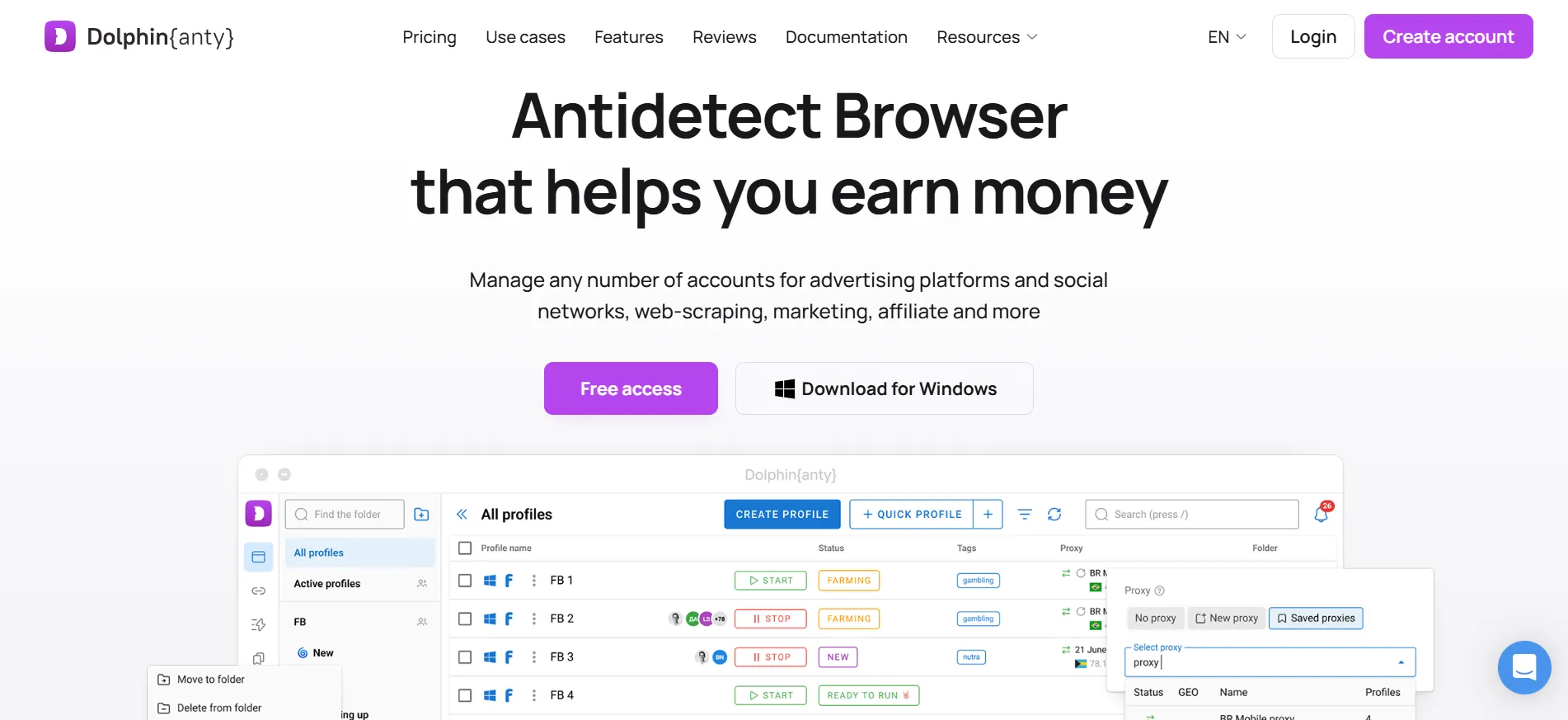
5. Dolphin Anty: A candidate for structured project management
Dolphin Anty offers folders, tags, profile sharing and permission controls covering actions such as editing and transferring profiles.
Those details deserve attention when several people maintain a shared collection.
Think about the mistakes you most want to prevent. Perhaps a colleague could edit the wrong profile, or an old project could be confused with an active one. Build your evaluation around those risks.
Try organising a realistic sample of projects, including an archived one. A structure that works only when every profile is active may become awkward later.
The aim is to make the correct next action obvious to whoever opens the workspace.
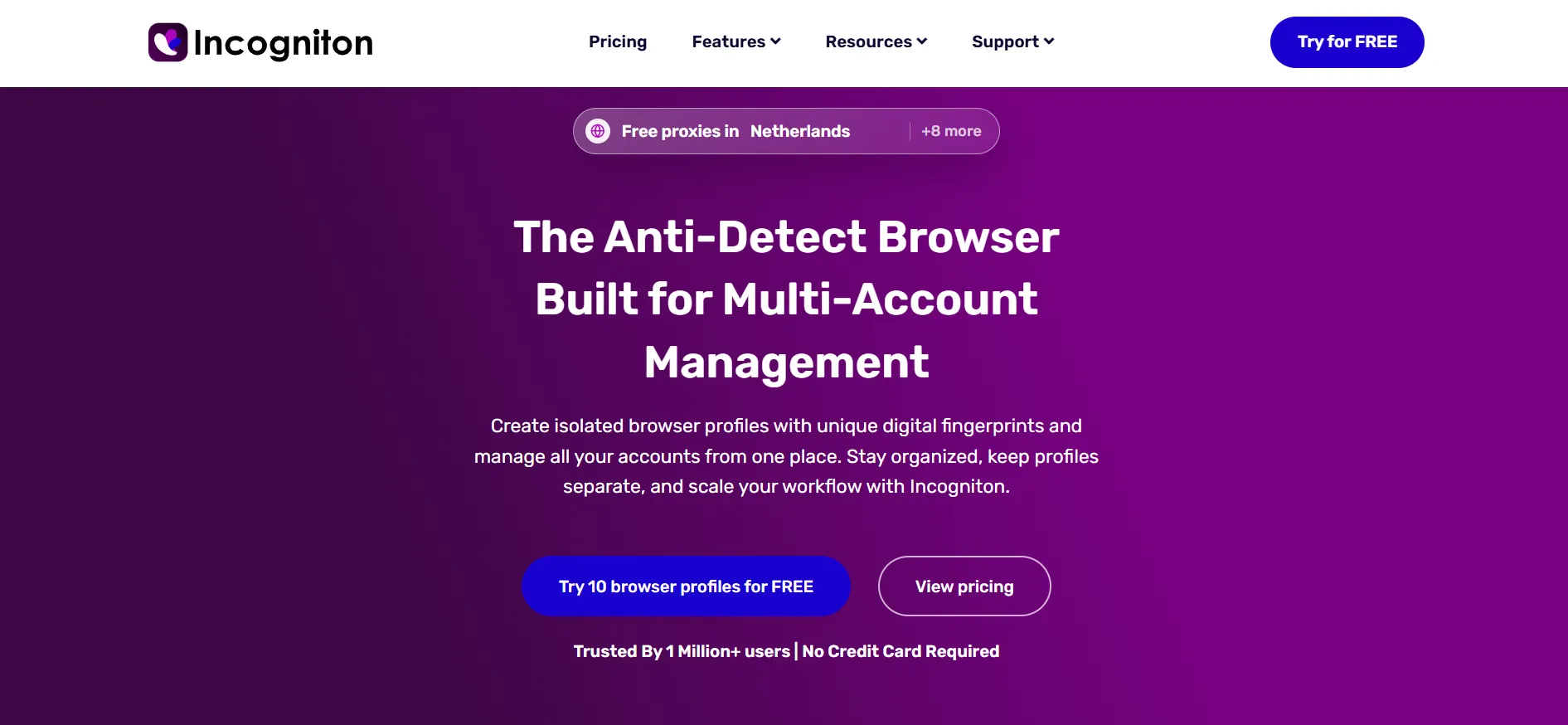
6. Incogniton: A candidate with a changing free allowance
Incogniton’s free offer begins with ten profiles for two months, then continues with three profiles. Paid subscriptions provide additional capacity and features.
That is an important detail if you are comparing tools on a limited budget.
Evaluate the subscription against your expected workload after the opening period. If you plan to retain more profiles than the ongoing free allowance permits, investigate the upgrade before starting.
Also leave yourself time to decide. Waiting until an introductory period ends can turn a straightforward comparison into a rushed purchase.
An opening allowance is useful for learning the software. It should not be mistaken for the long-term terms of the service.
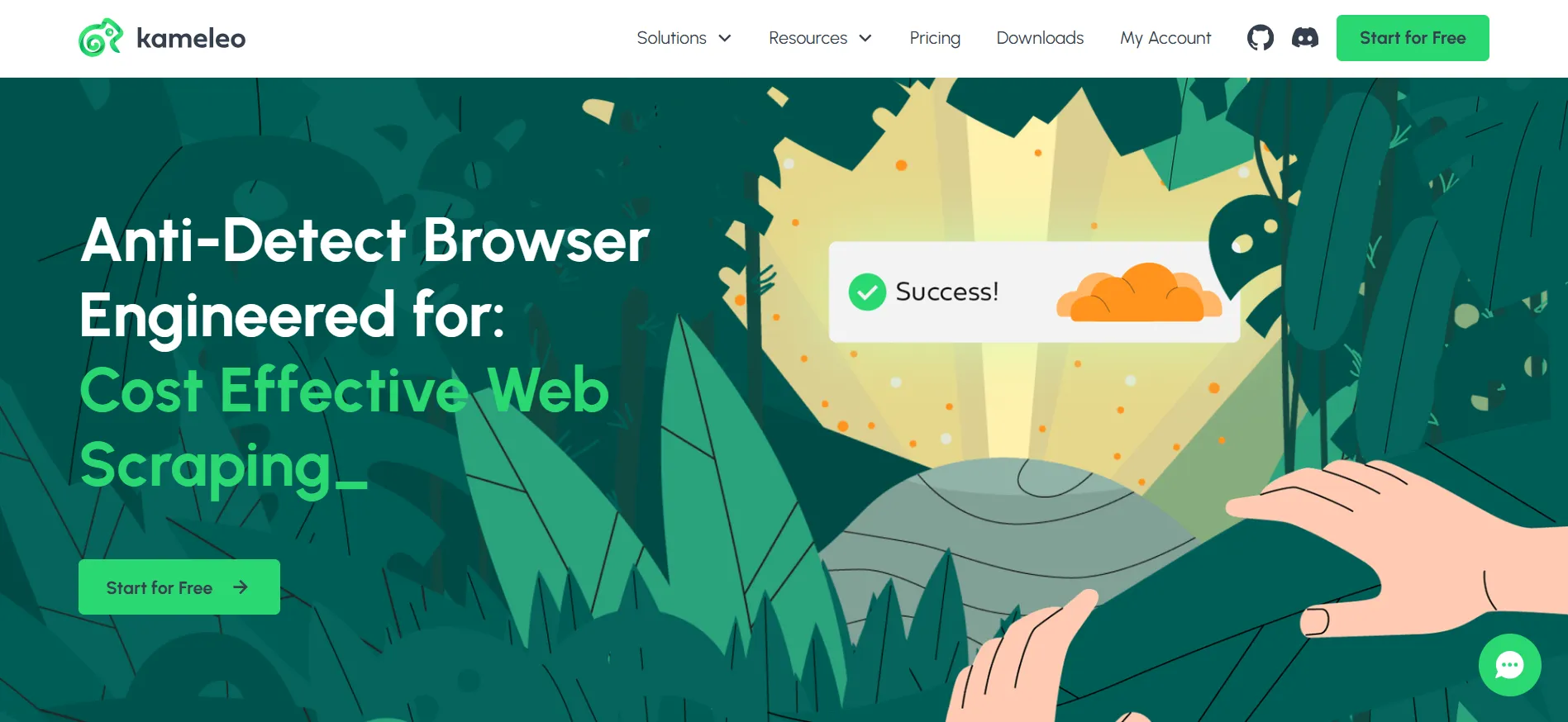
7. Kameleo: A candidate when concurrency matters
Kameleo’s Startup plan is listed at €59 per month with ten concurrent browsers. Its published automation options include Selenium, Puppeteer and Playwright.
Concurrency is the number to examine when several browser jobs need to operate at once.
Consider two different workloads: many profiles used one after another, and a smaller set used simultaneously. They can create different subscription requirements even if the total amount of work looks similar.
Estimate your busiest expected period, not just your average day. Then allow for the way jobs are scheduled.
For developer-led projects, this can produce a more useful comparison than a table focused only on stored-profile limits.
8. MoreLogin: A candidate for browser and app requirements
MoreLogin’s product range includes browser profiles and Android cloud phones. It also lists a Synchronizer, automation tools and operation logs.
It is worth investigating when some of your tasks happen in a browser while others require a mobile app.
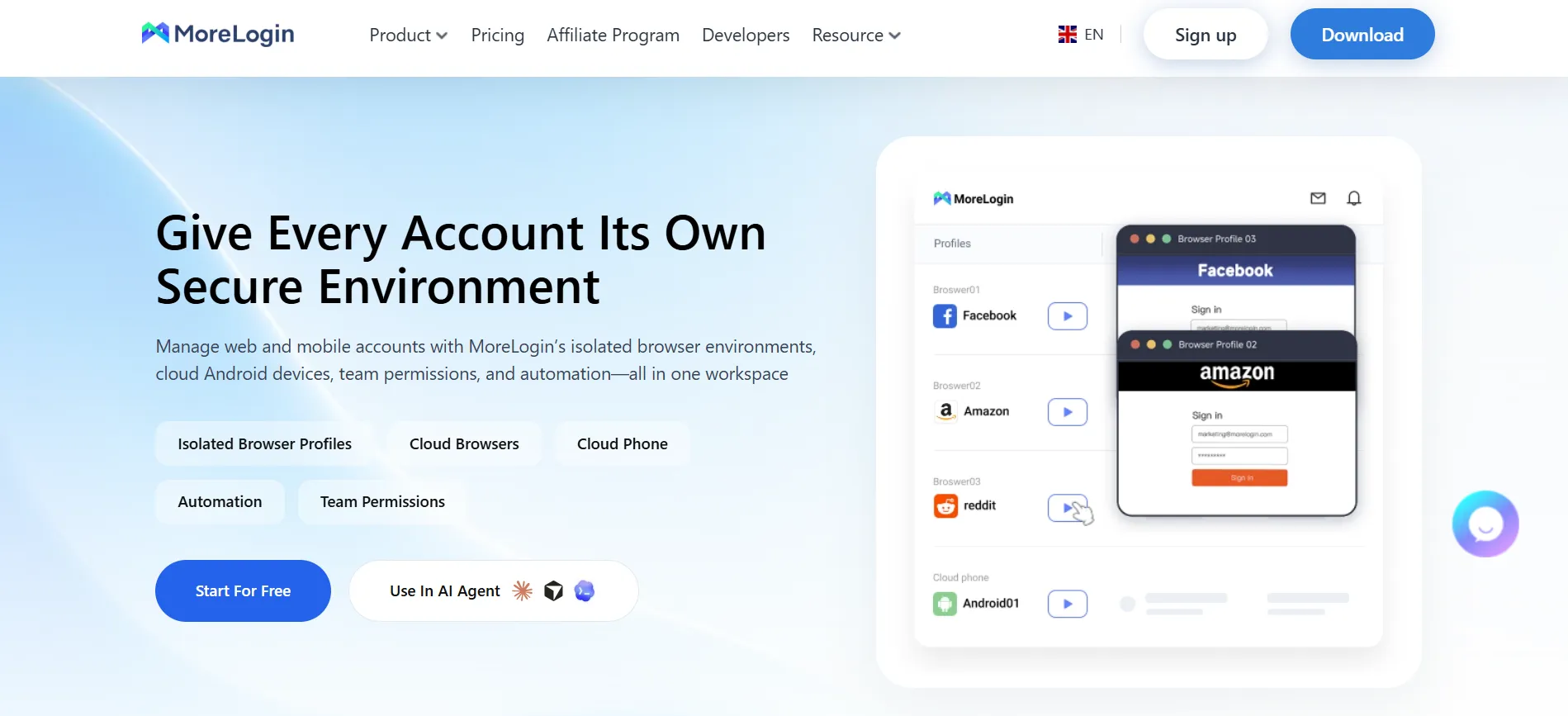
Do not treat those requirements as the same thing. Write down which tasks need an actual mobile environment, then check the relevant product and its pricing.
For shared work, evaluate whether the available records help explain what happened when something goes wrong.
You do not need every environment simply because it is offered. A clearly defined workload is the best defence against paying for tools your team will rarely open.
9. Undetectable: A candidate for locally stored profiles
Undetectable promotes unlimited local profiles on paid plans, with cloud capacity governed separately. It also publishes support for local API-based automation.
This deserves consideration when local storage is central to your preferred setup.
Before deciding, think through access and continuity. Who needs the profiles? What happens if the main computer is unavailable? How will you manage backups and remove environments you no longer use?
Do not read unlimited profile storage as a promise of unlimited simultaneous performance. The capacity of your device and the nature of your work remain separate considerations.
Compare the whole arrangement, including collaboration, rather than allowing one generous allowance to decide the purchase.
10. VMLogin: A candidate for another shared-workspace comparison
VMLogin advertises isolated browser environments, subaccounts, profile sharing and a REST API.
Those capabilities make it another option for teams comparing shared browser workflows.
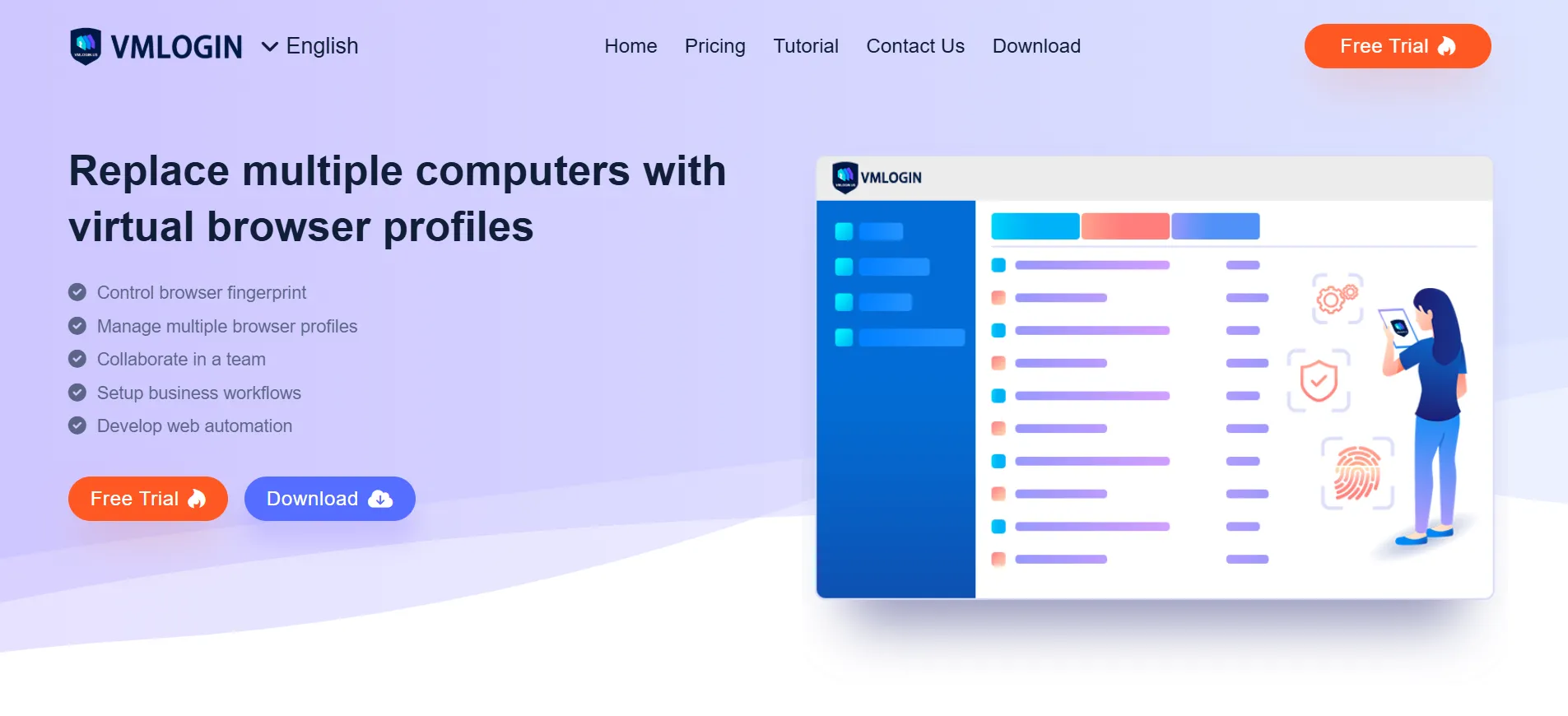
Before moving important work, check the onboarding materials, available support and the subscription offered in your region. Confirm payment currency and the included limits directly.
Then evaluate a routine task from beginning to end with the people who will actually use the software.
This step can reveal practical issues that a feature table misses. If your team cannot easily understand the setup or find an answer when something fails, the advertised capacity may offer little comfort.
How should you budget for browsers and proxies?
Build the budget in separate parts: browser subscription, network services, team access and any usage-based extras.
That makes comparisons clearer. A package with included resources may look more expensive than browser-only software, yet the final totals could be closer once you add everything required.
Use a worksheet with these entries:
Required profiles.
Required simultaneous sessions.
Number of colleagues.
Essential automation features.
Expected network usage.
Any mobile or cloud-runtime charges.
Renewal cost after the first-purchase offer.
For illustration, a workflow needing 40 saved profiles but only three open at once has different requirements from one needing 15 simultaneous sessions. These are planning examples, not provider limits.
Budget for your actual workload. Avoid buying a large annual package purely because the monthly equivalent looks attractive.
What should you check during a trial?
Use the trial to answer a specific question: can this product support your normal work at a cost you understand?
Start small. Create a representative project and complete it across more than one session. Include a colleague if shared access matters. Test the required automation on a plan that supports it.
Keep notes on setup time, unclear steps and support responses. Those observations will be more useful than an overall impression formed during the first few minutes.
Before subscribing, confirm renewal terms and how to access or transfer your work if you later leave. A trial should reduce uncertainty, not simply delay a decision.
FAQs: Best Antidetect Browser
Octo Browser is the starting recommendation in this guide for its range of profile, team and automation options. Compare it with another shortlisted product that addresses your most important requirement.
It depends on whether your task requires separate network routing. Browser profiles and proxies perform different functions. Check your requirements and the software’s supported configuration before purchasing network services.
No. A profile allowance describes permitted capacity. It does not establish how quickly your workload runs or how many active sessions your computer can handle. Evaluate performance with representative tasks.
Profiles are saved browser environments. Concurrent browsers are the instances running at the same time. A project can require many saved profiles but relatively few simultaneous sessions.
No. Profile management and fingerprint controls do not establish that a person or organisation is anonymous. Evaluate the product’s specific capabilities rather than relying on an absolute anonymity claim.
Quick Links:
How do you make the final choice?
Keep Octo Browser at the top of your evaluation list, then choose one alternative based on your main requirement. Compare both using the same project, the same required features and the full expected cost.
If your work also requires a separate network service, review the options at Twinstrata alongside your browser requirements. Confirm compatibility and subscription details before committing.
Choose once you can explain three things clearly: what the browser does for your work, which limits apply and what the complete setup will cost after introductory offers end.