
A cybersecurity startup called Socket raised $60 million at a $1 billion valuation this week, focused specifically on software supply chain security. If you are a founder building in the software, SaaS, or developer tools space, this funding round is worth understanding — not just as a market signal but as a case study in building at the intersection of a problem that is getting worse and a buyer who is increasingly willing to pay.
Why This Specific Problem Is Worth a Billion Dollars
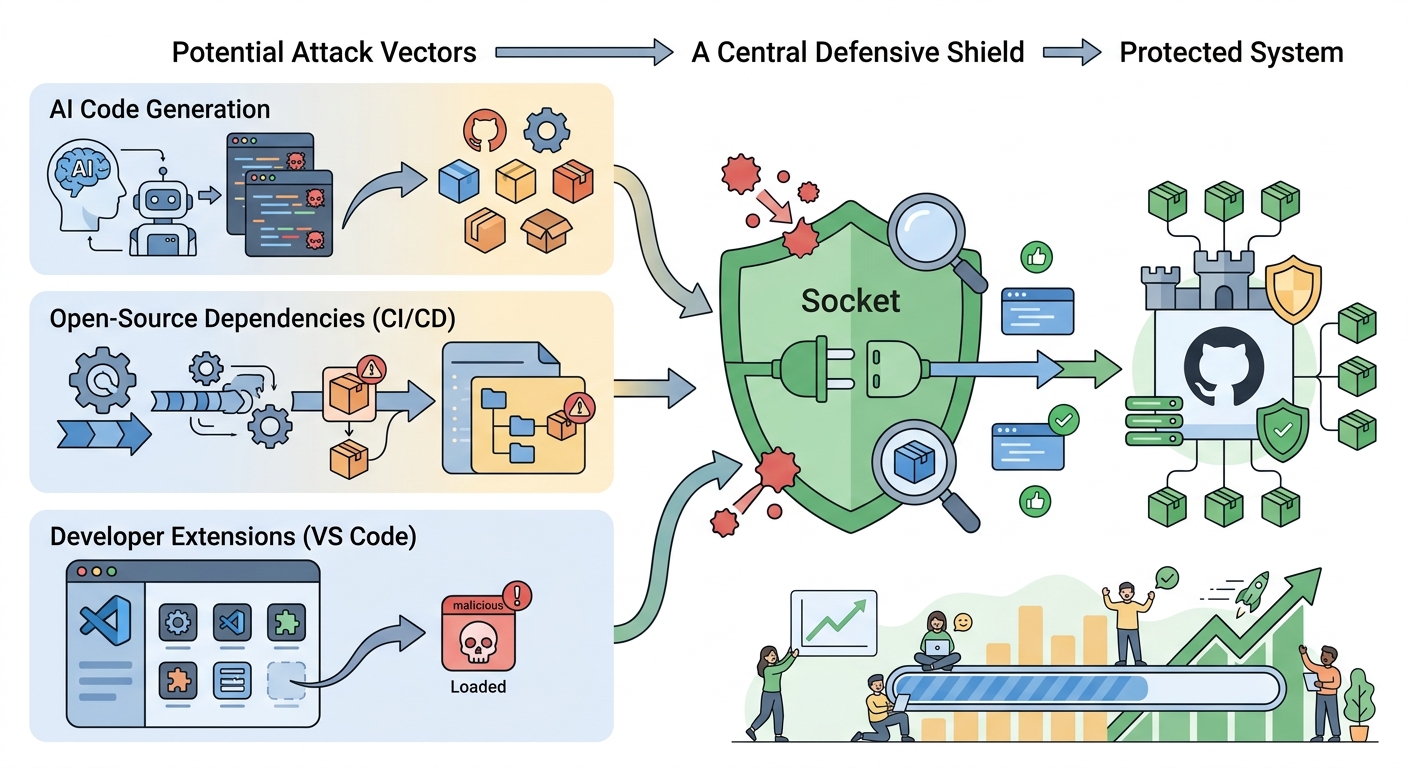
Socket protects against supply chain attacks — the kind of attack that compromised GitHub through a malicious VS Code extension earlier this month, affecting 500 or more packages. The problem is getting worse because AI-generated code, open-source dependencies, and automated developer workflows have dramatically expanded the attack surface that needs protecting.
Every AI coding tool that generates a dependency suggestion, every CI/CD pipeline that pulls open-source packages automatically, every VS Code extension installed without security review — these are all potential vectors. The market for defending against them is growing as fast as the attacks themselves.
What This Funding Round Tells Founders About Market Timing
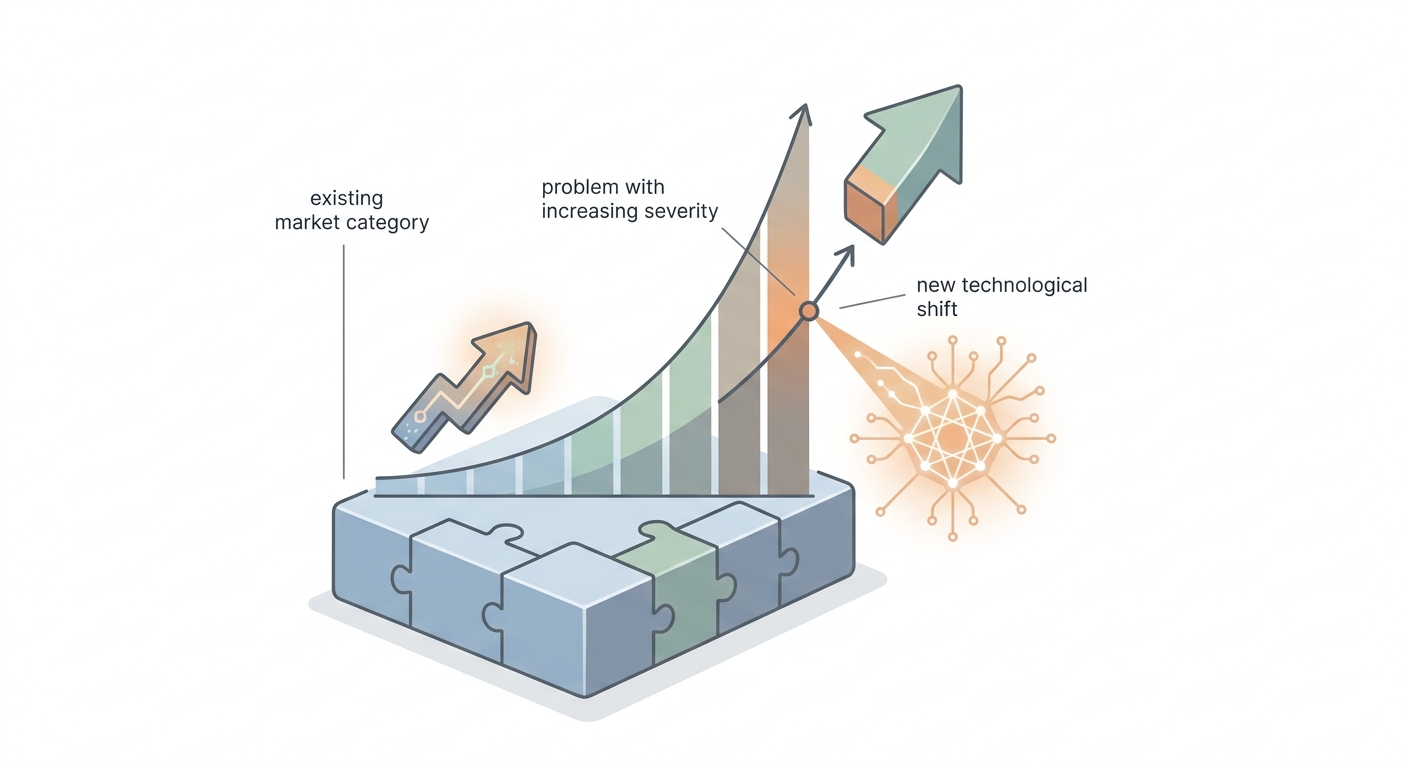
The Socket raise is a useful template for thinking about startup timing. They are not building a new category — software security is established. They are building a new solution to a problem that is genuinely getting worse because of other technological shifts happening simultaneously.
AI coding tools creating supply chain risk is exactly the kind of second-order problem that creates durable startup opportunities. As a founder, look for the categories where an existing problem is being made meaningfully worse by a new technology shift. That intersection — known problem, new severity, underserved by existing solutions — is where the best-funded startups of the next three years will be found.
Security is not a new market. AI-amplified supply chain risk is a new problem within it. Socket figured out the distinction early. That is the whole lesson.
Quick Links: