
What Antigravity Actually Is
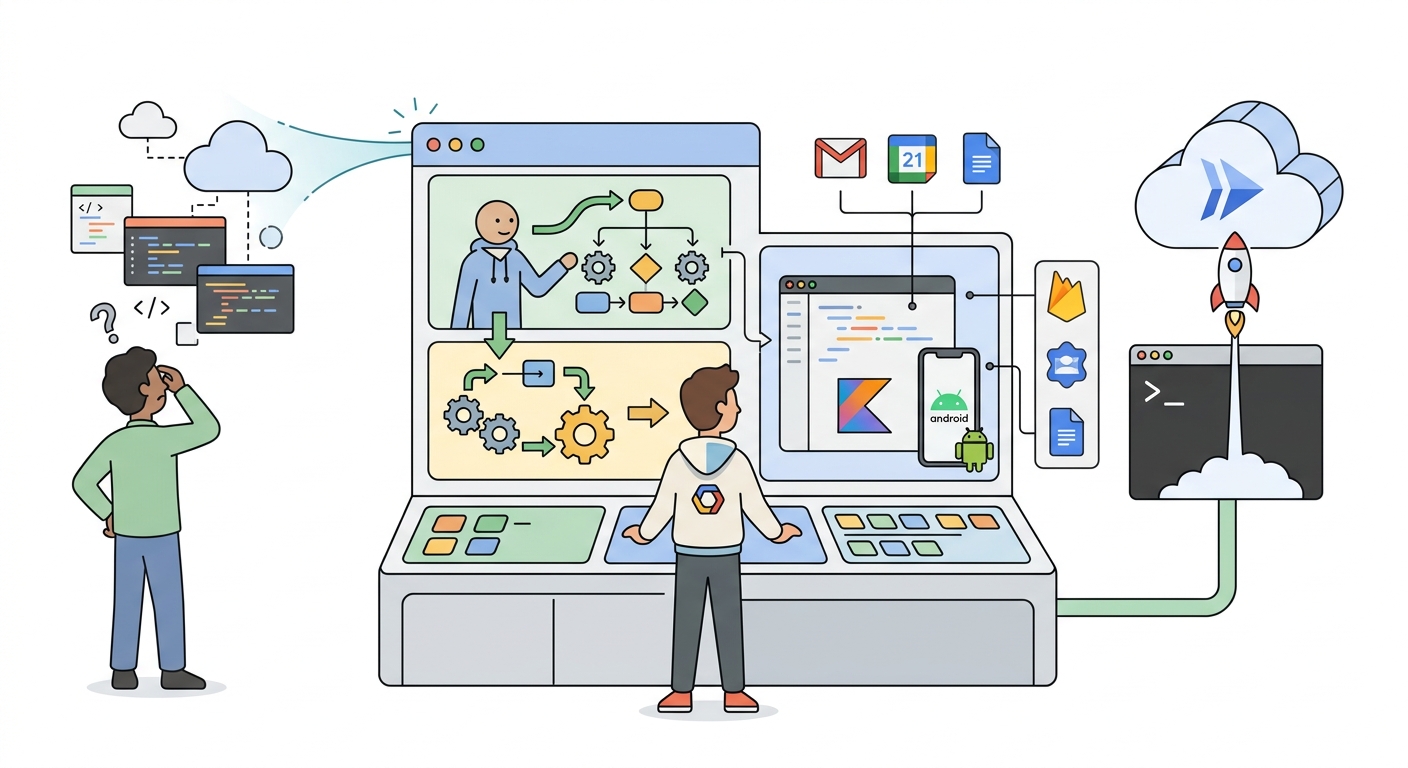
If you are building a startup in 2026 and you have not heard of Google Antigravity, this week’s I/O announcements are a good reason to fix that. Antigravity is Google’s agent-first development platform — essentially a professional environment for building AI applications and multi-agent workflows using Google’s Gemini models. Version 2.0 launched at I/O 2026 alongside Gemini 3.5 Flash, and it is now the most complete AI development platform Google has ever shipped.
Antigravity 2.0 and the all-new Antigravity CLI give developers two powerful surfaces for productivity gains. You can spin up specialized subagents to tackle complex workflows. Google AI Studio now includes native Kotlin support to vibe code Android apps, with Google Workspace integrations and one-click deploy to Cloud Run along with support for Firebase services, so you can build and deploy entire AI applications from a single environment.
Why This Matters for Startup Founders
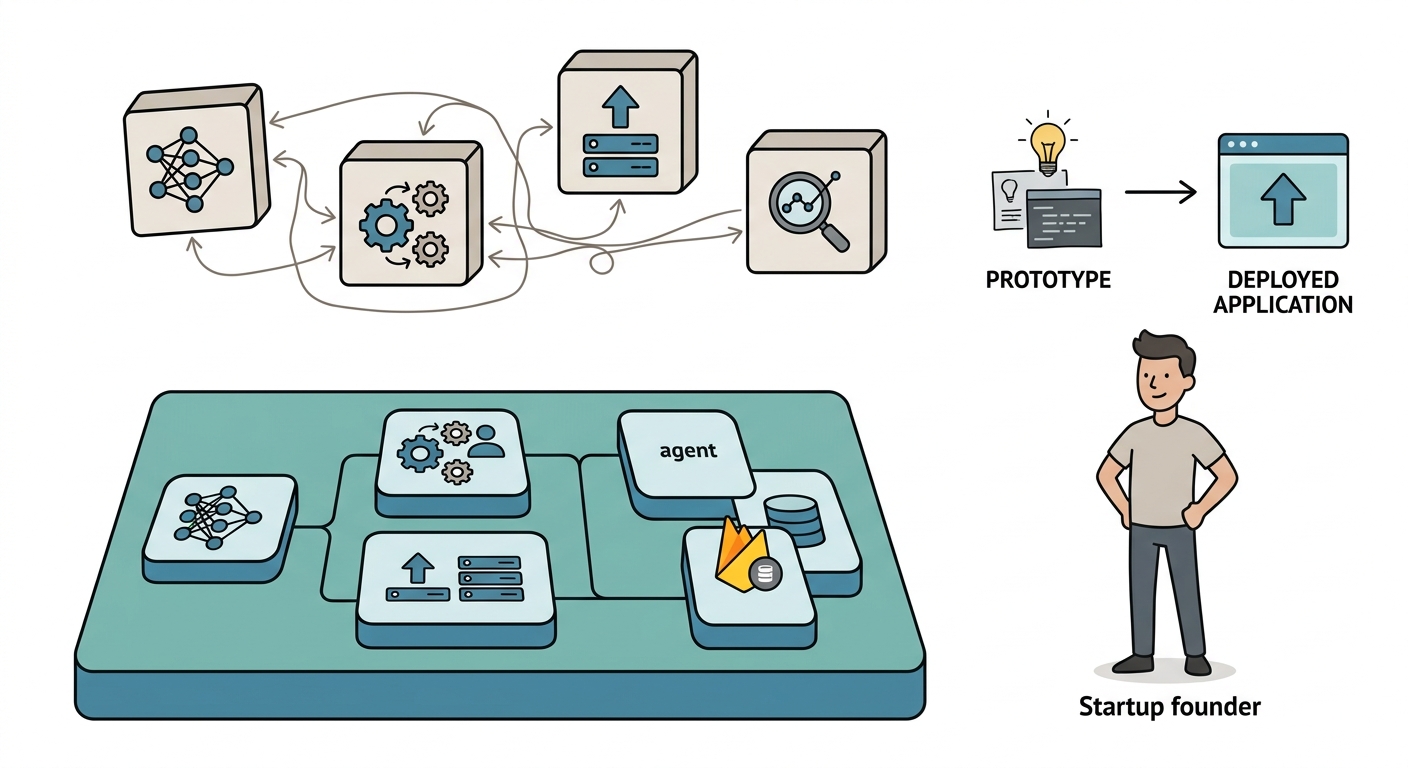
Until recently, building production-grade AI applications required stitching together multiple providers — a model API here, an orchestration layer there, a deployment platform somewhere else, and a monitoring tool on top of that. Antigravity 2.0 is Google’s answer to that fragmentation: one platform that handles model access, agent orchestration, deployment, and Firebase integration in a unified environment.
For startup founders building their first AI product, this significantly lowers the complexity barrier. You can go from prototype to deployed application faster, with fewer infrastructure decisions to make before you have validated that your product works. That speed matters enormously in early-stage startup development, where the goal is not to build the perfect infrastructure but to learn whether your core product hypothesis is correct as quickly as possible.
The Gemini 3.5 Flash Advantage for Startups
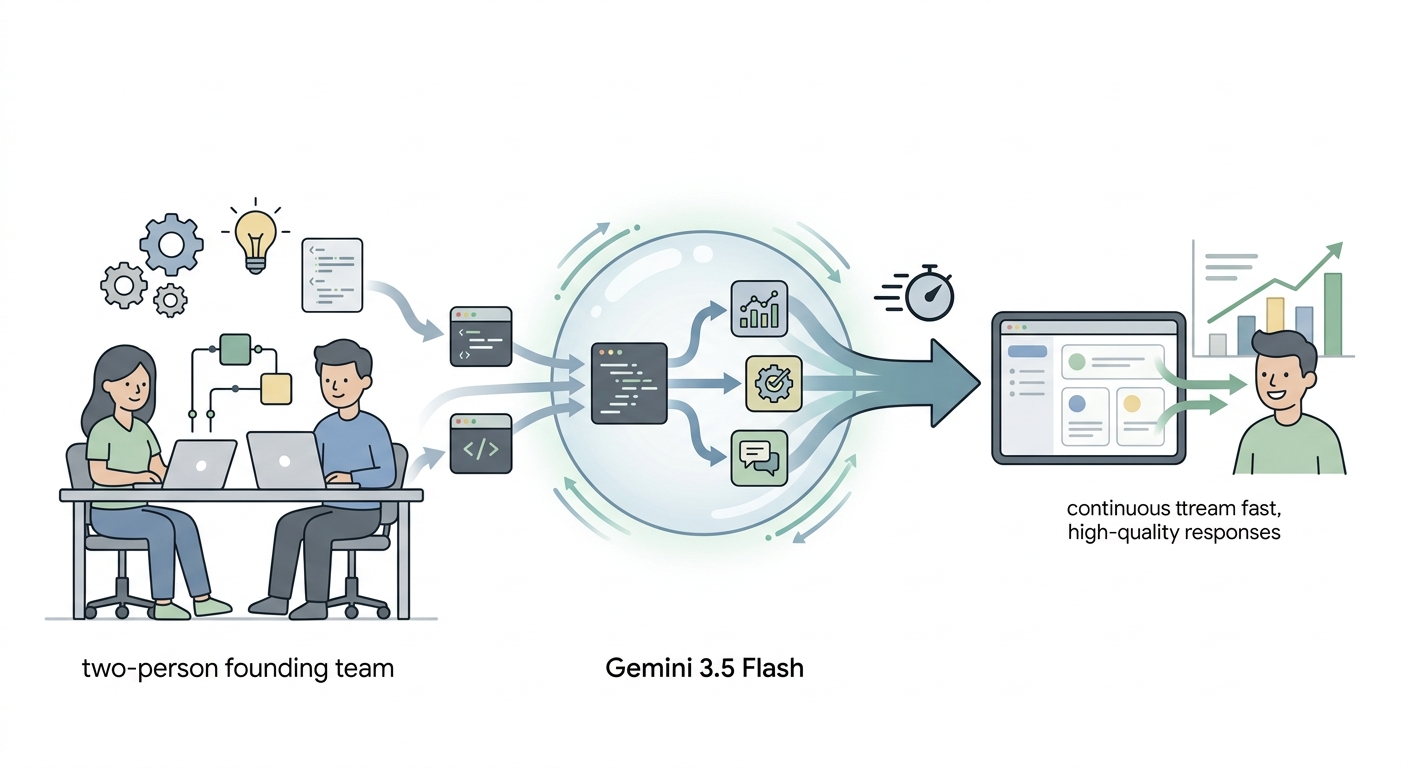
Antigravity 2.0 is built around Gemini 3.5 Flash — the model that Sundar Pichai said has dramatically accelerated how Google builds internally. For a startup with limited engineering resources, a model that delivers frontier-quality intelligence at Flash speeds means you can build responsive, production-quality AI features without a large engineering team. Response latency is user-visible and affects retention; fast, capable AI responses are now within reach of a two-person founding team.
The Subagent Architecture
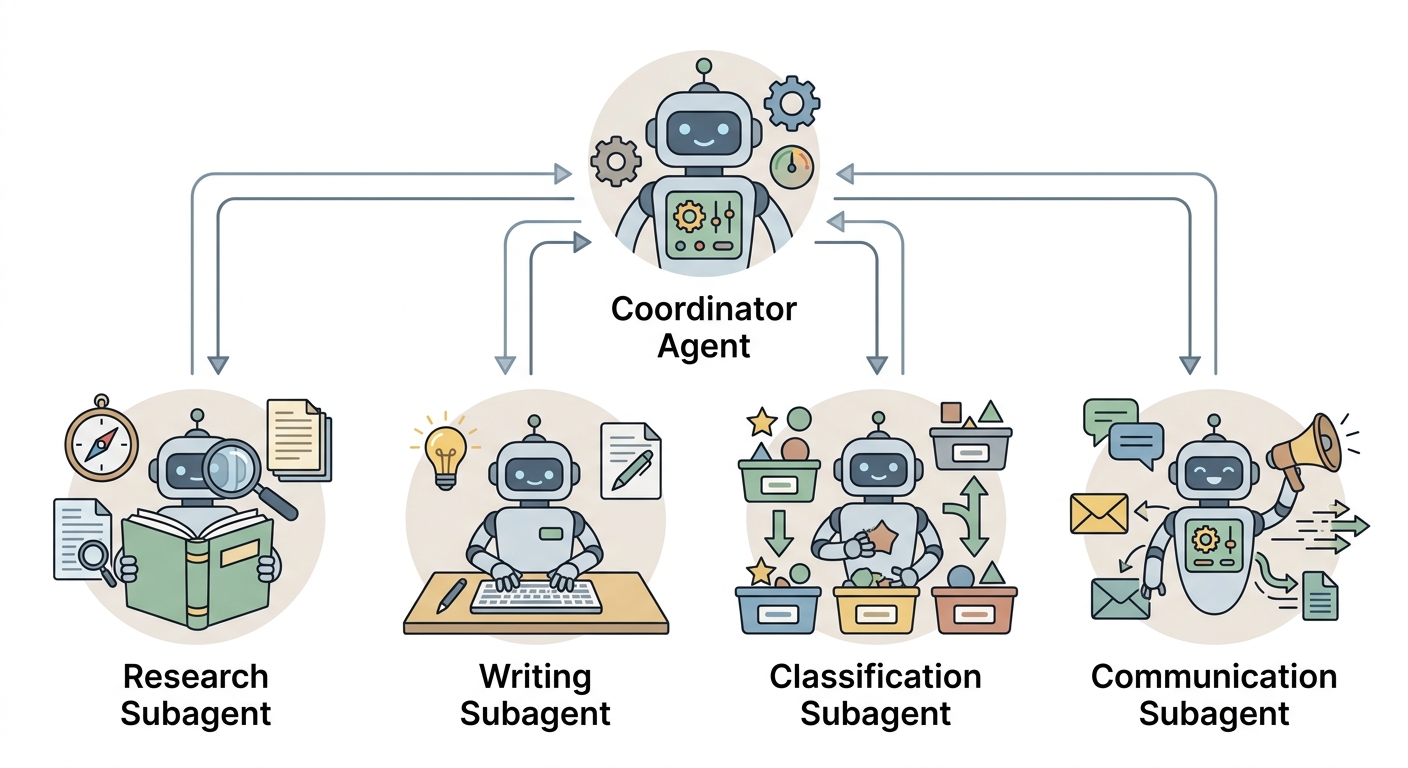
The subagent feature in Antigravity 2.0 is the capability that enables genuinely complex AI products at startup scale. Instead of building one AI that tries to do everything, you define specialized subagents for specific tasks — one for research, one for writing, one for classification, one for communication — and orchestrate them through a coordinator agent. This mirrors how successful AI applications at larger companies are being built, and Antigravity makes it accessible without requiring deep ML engineering expertise.
💬 Reddit — r/startups and r/SaaS discussions on Antigravity and AI startup tools: 🔗https://www.reddit.com/r/startups/search/?q=Google+Antigravity+AI+startup+2026
🐦 X/Twitter — founders sharing Antigravity 2.0 build experiences: 🔗 https://x.com/search?q=Google+Antigravity+2.0+startup+build&f=live
💬 Quora — how to use Google Antigravity to build an AI startup: 🔗 https://www.quora.com/search?q=Google+Antigravity+build+AI+startup
Quick Links: